Getting Ready for Geothermal: What You Need to Know
So, you're looking at geothermal for your home here in Gulfport. That's a smart move. It's a big investment, sure, but the long-term savings and comfort are hard to beat, especially with our hot, humid summers. I've seen a lot of these projects over the years, and I can tell you, a little planning goes a long way. This isn't like changing a light bulb; it's a significant undertaking. But don't let that scare you off. With the right information, you'll be ready.
The Geothermal Project Timeline: What to Expect
Let's talk about how long this whole thing takes. It's not an overnight job, and it's not just about the drilling. From your first thought to flipping the switch on your new system, you're looking at a few stages.
- Initial Consultation & Site Assessment: This is where it all starts. A good contractor will come out, look at your property, talk about your home's size, your energy needs, and check out the soil conditions. Here in Gulfport, we've got a lot of sandy loam, sometimes clay, which affects drilling. This usually takes a week or two to get scheduled and done.
- System Design & Proposal: After the assessment, the engineers design the loop field and the indoor system. They figure out how many wells, how deep, and what size heat pump you'll need. Getting a detailed proposal can take another couple of weeks, depending on how busy everyone is.
- Permitting: This is often the biggest wildcard. You'll need permits from the city and sometimes the county. Depending on your specific location in Gulfport, say, if you're closer to the coast or in an older neighborhood, there might be extra hoops. This can take anywhere from a few weeks to a couple of months. Don't rush this; you don't want to start work without the proper paperwork.
- Drilling & Loop Installation: This is where Midway Well Drilling comes in. Once permits are in hand, we schedule the drilling. For a typical residential system, this might be anywhere from a few days to a week or two of actual drilling, depending on the number of wells and depth. We're talking about heavy equipment on your property, so be prepared for some noise and disruption.
- Indoor System Installation: While the loops are going in outside, your HVAC contractor will be working inside, installing the heat pump, ductwork modifications if needed, and connecting everything. This usually takes another week or two.
- System Startup & Testing: Once everything's installed, the system gets charged, tested, and commissioned. This is crucial to make sure it's running efficiently.
All in, from the first call to a fully operational system, you're typically looking at 3 to 6 months. Sometimes quicker, sometimes longer, especially if there are permitting delays or bad weather.
How to Prepare Your Home and Property
Once you've signed on the dotted line and permits are approved, there are a few things you can do to make the process smoother for everyone.
- Clear the Area: The drilling rig is big. It needs a clear path to the drilling site. That means moving vehicles, garden furniture, planters, and anything else that's in the way. If you have a fence, part of it might need to come down temporarily.
- Mark Utilities: Before anyone starts digging or drilling, make sure all underground utilities are clearly marked. Call 811 – it's free and it's the law. But also, point out any private lines you know about, like irrigation, septic lines, or invisible dog fences.
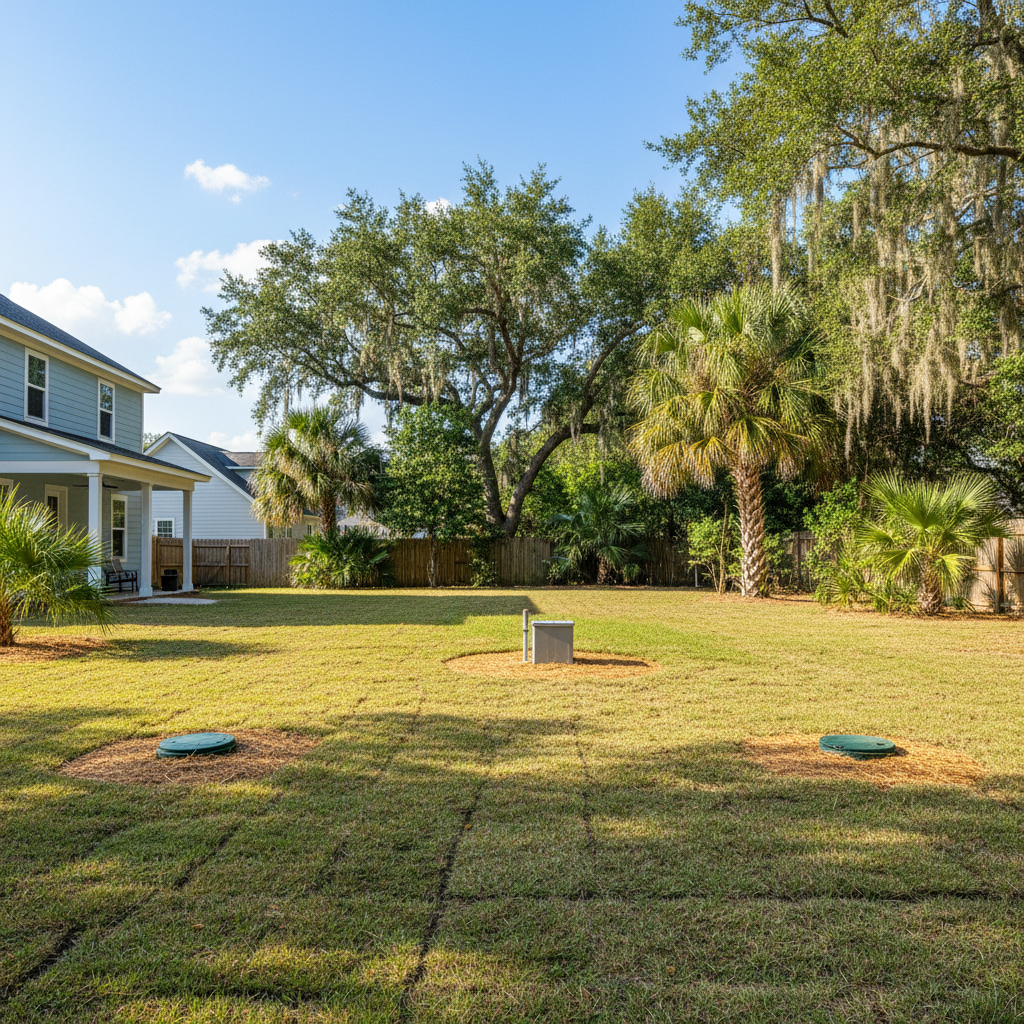
- Protect Landscaping: We do our best to be careful, but heavy equipment can be tough on lawns and flowerbeds. If you have prize-winning azaleas near the drill site, consider temporarily relocating them or putting up some barriers.
- Access to Water/Power: We'll need access to water for drilling and sometimes power for certain equipment. Make sure an outdoor spigot and an accessible outdoor outlet are working.
- Talk to Your Neighbors: Let your neighbors know what's happening. There will be noise and equipment for a few days. A heads-up goes a long way in keeping everyone happy.
Questions to Ask Before You Sign That Contract
This is where you protect yourself and ensure you're getting a quality job. Don't be afraid to ask tough questions. Any good contractor expects them.
- What kind of drilling method will you use? Vertical or horizontal? Here in Gulfport, vertical is usually the way to go due to lot sizes and our soil, but it's good to confirm.
- What's included in the price? Get a detailed breakdown. Does it cover permits, drilling, loop installation, grouting, manifolding, and connection to the indoor unit? What about site restoration?
- Who handles the permitting process? Some contractors do it all; others expect you to handle some parts. Make sure this is clear.
- What are your warranties? Ask about warranties on the loops themselves, the drilling work, and the indoor heat pump.
- Can you provide references? Ask for a few recent customers you can call. This is huge.
- Are you licensed and insured? Always verify this. Ask for proof of liability insurance and workers' compensation.
- What's your experience with geothermal in this area? You want someone who understands Gulfport's specific ground conditions and local regulations.
- What's the estimated timeline for each phase? Get a realistic schedule, even if it's an estimate.
- What happens if you hit something unexpected during drilling? Like rock or an unknown utility line? How are those costs handled?
- What kind of site restoration do you do? Will they re-seed the lawn, or is it just backfilled?
Choosing to go geothermal is a big step, but it's one that pays off. Do your homework, ask the right questions, and work with a reputable company like Midway Well Drilling. You'll be enjoying comfortable, efficient heating and cooling for decades.