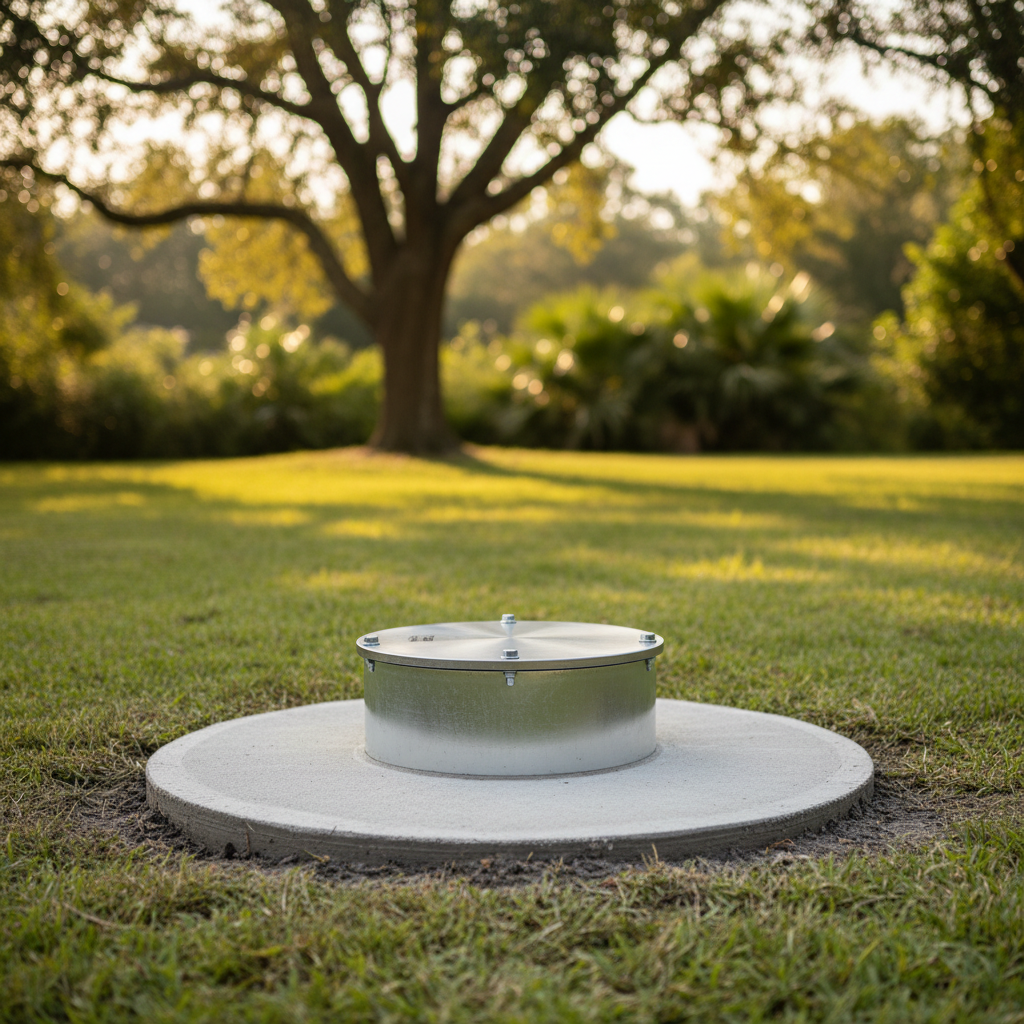
Your well system is a pretty big deal for your home, especially if you're living beyond the city water lines. When something goes wrong, it's not just a minor annoyance; it's a genuine headache. I hear a lot of the same questions when people call us up, often worried about their water. So, I figured I'd lay out some of the most common ones and give you the real story on what to expect.
Why is my well pump constantly running?
This is a big one, and it almost always signals trouble. A well pump that just won't quit is either trying to build pressure it can't quite reach, or it's getting a call for water that never ends. Most of the time, I find one of a few culprits:
- A leak in your system: This is the usual suspect, honestly. It could be something small, like a leaky toilet flapper or a dripping faucet, or even an underground pipe that's sprung a leak. The pump just keeps going because the pressure switch never hits its shut-off point.
- A bad pressure switch: Sometimes the switch itself simply gives out. It's supposed to tell the pump when to turn on and off, all based on water pressure. If it's faulty, it might not be sending that "off" signal.
- A problem with the pressure tank: Your pressure tank has an air bladder inside. This helps keep the pressure steady and stops the pump from cycling too often. If that bladder rips or the tank gets waterlogged, the pump will work harder and run for longer stretches.
- Pump issues: This isn't as common for constant running, but a failing pump impeller or a worn-out motor can struggle to build pressure, which means longer run times.
Whatever the reason, you definitely don't want your pump running non-stop. It's just burning electricity and wearing itself out. Get it checked out fast, okay?
Why is my water pressure low or surging?
Low pressure is a real drag, and surging pressure can be just as irritating. If your water pressure has dropped, or it's bouncing up and down like a rollercoaster, here's what we typically look for:
- Pressure tank problems: Yep, the pressure tank again — it's pretty central to all this. If the air charge is off, or the bladder is shot, you'll definitely get pressure fluctuations. It's a common issue we see around here, especially with the humidity and temperature swings we get in Gulfport.
- Clogged sediment filter: If you've got a whole-house sediment filter, it can get gunked up over time. This restricts water flow and, yep, drops your pressure.
- Well pump issues: A failing pump, a worn impeller, or even a partially blocked intake screen can all reduce the pump's ability to deliver water at full pressure.
- Clogged well screen or casing: Over time, mineral deposits or sediment can build up in the well screen, limiting how much water can actually enter the well.
- Pipe leaks or blockages: Less common, but a partial blockage or a small leak in your main water line can absolutely mess with your pressure.
It's usually not a quick fix you can do on your own, so give us a call at Midway Well Drilling to get it properly diagnosed.
Why is my well making strange noises?
Wells aren't completely silent, of course, but if you're hearing grinding, clanking, humming, or screeching that wasn't there before, you really need to pay attention. It's often a warning sign.
- Grinding/Screeching: This often points to a failing pump motor bearing. If that bearing seizes up, well, your pump is dead in the water.
- Clanking/Banging: Could be water hammer, which means air is somehow getting into the system or there's an issue with how the pipes are secured. It can also signal a failing check valve.
- Loud humming/Buzzing: If the pump is humming but not actually pumping water, it might be a seized motor, a clogged impeller, or an electrical problem stopping it from starting.
- Rapid clicking from the pressure switch: This usually means your pressure tank is waterlogged, or the pressure switch itself is failing.
Don't ignore new noises. They almost always get worse and lead to a bigger, more expensive problem if you let them go too long.
My well water is suddenly cloudy or discolored. What's up?
Nobody wants to see muddy or rusty water coming out of their tap. This can happen for a few reasons:
- Sediment in the well: Heavy rains, especially after a dry spell, can really stir up sediment in the aquifer or at the bottom of your well. We see this a lot after a good tropical storm rolls through, you know?
- Pump issues: If your pump is sitting too low in the well, or if the well screen is damaged, it might start sucking up sediment.
- Corroding pipes: Older galvanized pipes can corrode, releasing rust right into your water.
- Iron bacteria: These naturally occurring bacteria can cause that reddish-brown slime and discoloration.
- Nearby construction or drilling: Sometimes, activity in the area can temporarily affect the groundwater and stir things up a bit.
If it clears up after a little while, it might just be some stirred-up sediment. If it keeps happening, or if you notice a strange smell, you'll want to get it tested and figure out the source.
How long does a well pump typically last?
That's a tough one to give an exact number for, because it truly depends on a lot of things. But generally speaking, a good quality submersible well pump, when it's installed and maintained properly, can last anywhere from 10 to 20 years. Some even keep going longer! Surface pumps usually have a shorter lifespan, maybe 5-10 years.
What affects it?
- Water quality: A lot of sand, sediment, or corrosive minerals in the water will wear a pump out much faster.
- How often it runs: If your pump is constantly cycling on and off because of a bad pressure tank or a leak, it's going to wear out quicker than one that runs for longer, less frequent cycles.
- Proper sizing: An undersized pump will work too hard; an oversized one might short cycle. Getting the right pump for your well and household needs is absolutely critical.
- Installation quality: A shoddy installation can shave years off a pump's life, no doubt about it.
When it's time for a new one, you'll usually know. The pump will just stop delivering water, or it'll start making awful noises and eventually quit. We're always here to help you pick the right replacement.
Can I fix my well myself?
Look, I get it. Everyone wants to save a buck, and there are tons of DIY videos out there. For very minor things, like replacing a clogged filter or checking the air pressure in your tank (if you really know what you're doing), maybe. But for anything involving the pump, electrical components, or anything down in the well itself, I strongly advise against it.
- Safety: You're dealing with high voltage electricity and heavy equipment. It's just plain dangerous.
- Specialized tools: Well work often requires specific tools and diagnostic equipment that most homeowners simply don't have lying around.
- Knowledge: Understanding well hydraulics, electrical systems, and local aquifer conditions takes years of experience. Messing something up can lead to much more expensive repairs, or even damage your well beyond fixing.
- Warranty: Most well components come with warranties, and those can be voided by improper installation or repair.
So, for most well repairs, especially if it's anything more than a simple filter change, call a professional. That's what we're here for at Midway Well Drilling. We've seen just about everything that can go wrong with a well here on the Coast, from Biloxi to Bay St. Louis, and we know how to fix it right.