So, you've got a well, and it's doing its job, pumping good water for your home. That's great! But just like anything else with moving parts and electrical bits, it's not a 'set it and forget it' deal. You want that well to last, right? Especially with our Gulf Coast weather, a little proactive care goes a long way to avoid bigger headaches down the road.
Making Your Well System Last Longer
The biggest thing you can do to make your well system last is to not overwork it. That means being mindful of your water usage. If you're running a sprinkler system for hours every day, especially during our hot, dry spells in July and August, your pump is working overtime. Consider smart irrigation or watering in the cooler parts of the day to reduce demand.
Another big one is keeping an eye on your pressure tank. It helps regulate the pressure and stops your pump from cycling on and off constantly. If that tank isn't properly pressurized, your pump will wear out a lot faster. This is something I check during service calls, but it's good to be aware of.
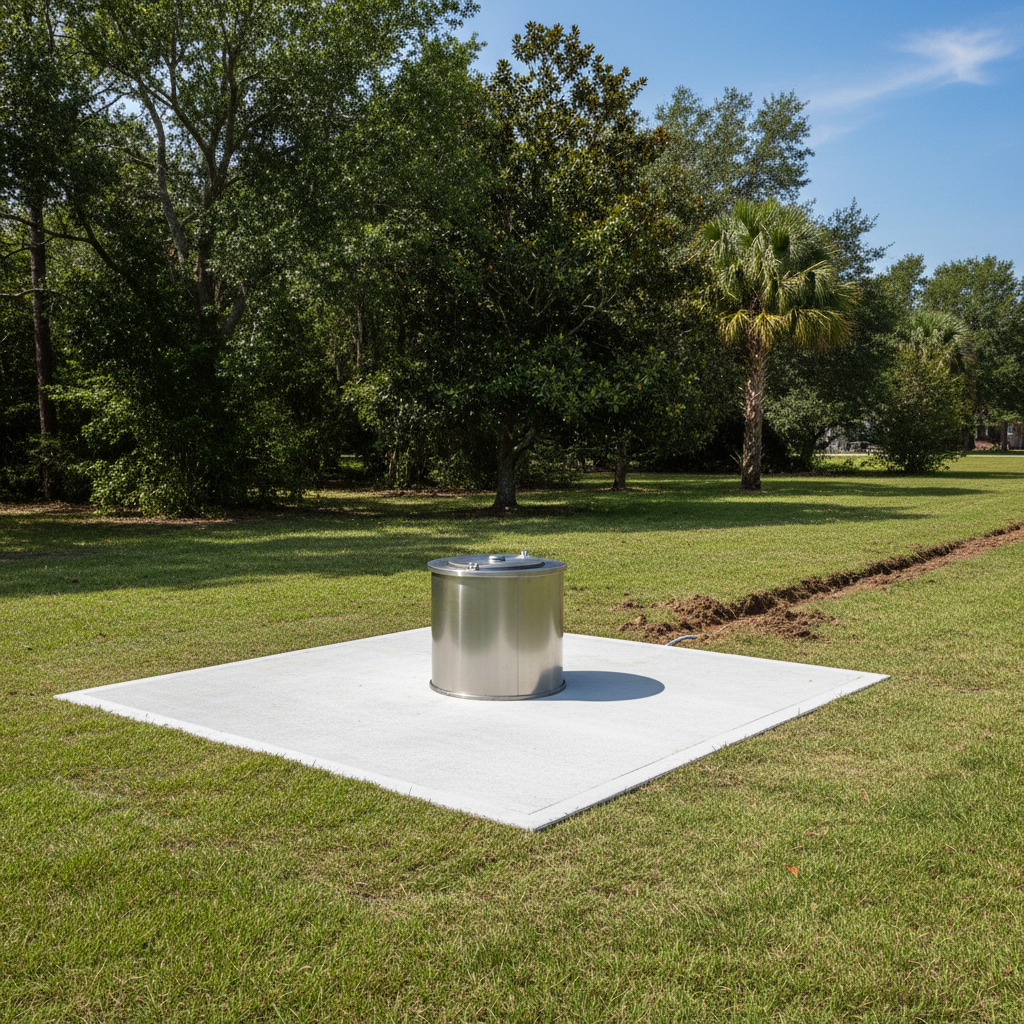
Also, protect your wellhead. Here in Gulfport, we get some pretty wild weather – hurricanes, tropical storms, even just heavy thunderstorms. Make sure your well cap is secure and that the area around the well isn't prone to flooding or collecting debris. You don't want surface water or critters getting into your well. I've seen plenty of wellheads get damaged by falling branches or even just lawnmowers, so keep the area clear and accessible.
What You Should Be Doing for Regular Maintenance
You don't need to be a well expert to do some basic checks. Here's what I tell my customers:
- Annual Water Testing: This is non-negotiable. Even if your water tastes fine, things can change. We've got a lot of sandy soil and some areas with higher iron content around Gulfport, and sometimes bacteria can find its way in. A yearly test for coliform bacteria, nitrates, and pH is a smart move. Every few years, you might want to do a more comprehensive test for things like heavy metals or other contaminants, especially if you notice any changes in taste, odor, or color.
- Visual Inspection: Take a walk around your wellhead a couple of times a year. Look for any cracks in the casing, loose wires, or signs of animal activity. Make sure the ground around it isn't eroding away.
- Listen to Your Pump: You know the sound your pump usually makes. If it starts sounding different – louder, grinding, or running constantly – that's a red flag.
- Check Your Pressure Gauge: Most well systems have a pressure gauge. Know what your normal operating pressure is. If it's consistently low, or if the needle is bouncing all over the place, that's a sign something's off.
- Clean Your Pressure Tank Air Charge: Every few years, or if you notice your pump cycling too frequently, you might need to check and potentially recharge the air in your pressure tank. This is a bit more involved, and if you're not comfortable, that's definitely a job for us at Midway Well Drilling.
Warning Signs You Shouldn't Ignore
Your well system usually gives you a heads-up before it completely quits. Pay attention to these:
- No Water or Low Water Pressure: This is the most obvious one. If you suddenly have no water, or your shower goes from a strong stream to a trickle, something's wrong. It could be a pump issue, a pressure tank problem, or even a power outage.
- Cloudy, Sandy, or Discolored Water: If your water suddenly looks murky, has sediment, or changes color (like rusty orange from iron), don't ignore it. This could indicate a problem with your well screen, pump, or even a change in the aquifer.
- Foul Odor or Taste: A metallic taste, a rotten egg smell (hydrogen sulfide), or any other strange taste or odor means you need to get your water tested immediately.
- Pump Running Constantly or Cycling Too Frequently: Your pump shouldn't be running all the time. If it's kicking on and off every few minutes, even when no water is being used, you likely have a leak somewhere in your system or a problem with your pressure tank.
- Gurgling or Air in the Lines: Hearing gurgling noises or spitting air from your faucets can mean your well is running dry, or there's an issue with the pump intake.
- High Electric Bills: If your power bill suddenly jumps, and you haven't changed your usage habits, your well pump might be working harder than it should, indicating an inefficiency or problem.
When to Call a Professional
Look, I'm all for DIY, but some things are best left to the pros. When you see any of those warning signs, or if you're just not sure about something, that's when you pick up the phone. Don't wait until you're completely out of water on a Sunday afternoon. Early detection can save you a lot of money and hassle.
You should definitely call us at Midway Well Drilling if:
- You have no water, or very low pressure, and you've checked the obvious things like power.
- Your water quality changes dramatically – color, taste, or smell.
- Your pump is running constantly or cycling rapidly.
- You hear unusual noises coming from your well or pressure tank.
- You need your pressure tank's air charge serviced.
- It's time for your annual well inspection and water test, and you want someone who knows Gulfport's specific water conditions to handle it.
We're here to help keep your well system reliable. A little attention now can prevent a major breakdown later, and that means consistent, clean water for your home for years to come.