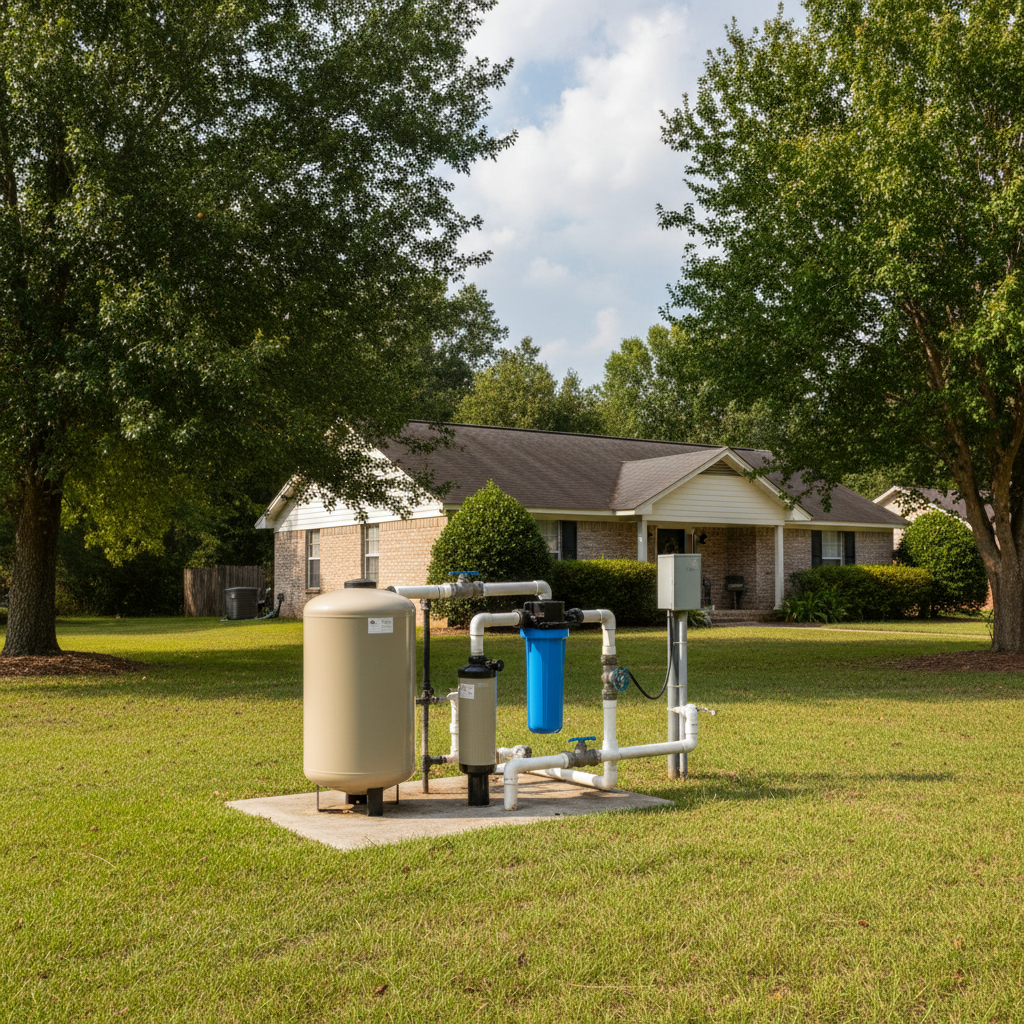
Alright, let's talk about your water treatment system. You've invested in clean, good-tasting water, and you want that system to last. Down here in Gulfport, with our unique soil and water conditions – sometimes a little hard, sometimes a little sandy, and always humid – your system faces some challenges. So, how do you make sure it keeps doing its job without breaking down on you?
Extend Your System's Lifespan
First off, the best way to extend the life of your water treatment system is pretty simple: treat it right from the start. That means making sure it's sized correctly for your home and water usage. An undersized system will work overtime and wear out faster. Over here on the west side of town, near the Bayou Bernard, I've seen folks with well water that's got a lot more iron than they expected, and if their system isn't built to handle that, it's not going to last.
Another big one is proper installation. If it's not put in right, you're looking at leaks, inefficient operation, and early failure. That's why I always stress getting a professional installer. Once it's in, don't ignore it. Think of it like your car – it needs regular check-ups.
What Regular Maintenance Looks Like
Regular maintenance isn't a huge chore, but it's crucial. Here's what you should be doing:
- Check your filters: This is probably the most common thing. If you've got a sediment filter, it's going to get clogged. How often depends on your water quality, but pull it out and take a look. If it's brown or slimy, it's time for a change. For carbon filters, stick to the manufacturer's recommendations; usually every 6-12 months. A clogged filter makes your whole system work harder, reducing water pressure and wearing out pumps.
- Salt levels for softeners: If you have a water softener, keep that brine tank topped up with salt. Don't let it run empty. Also, once a year or so, check for a 'salt bridge' – that's when the salt forms a hard crust that prevents it from dissolving properly. Break it up if you find one.
- UV lamps: If you've got a UV disinfection system, the lamp needs replacing annually, even if it still looks like it's working. Its effectiveness diminishes over time. And make sure the quartz sleeve is clean – sediment can block the UV light.
- System regeneration: Make sure your softener or whole-house filter is regenerating on its schedule. You can usually hear it or see it working. If it's not, that's a red flag.
Honestly, a lot of this is just common sense and paying a little attention to what's going on with your water.
Warning Signs of Problems
Your water treatment system usually gives you hints when something's not right. Don't ignore these:
- Changes in water quality: This is the big one. If your water suddenly tastes different, smells funny, or looks cloudy again, your system isn't doing its job. This could mean a filter is spent, a softener isn't regenerating, or a UV lamp is out.
- Reduced water pressure: A sudden drop in water pressure throughout your house often points to a clogged filter or a problem with the system's bypass valve.
- Unusual noises: Grinding, banging, or constant running from your system can indicate a failing pump, a stuck valve, or other mechanical issues.
- Leaks: Obvious, but important. Any drips or puddles around your system need immediate attention. Small leaks can become big problems fast, especially with our humidity.
- Increased salt usage (for softeners): If you're going through salt much faster than usual, your softener might be regenerating too often or inefficiently.
When to Call a Professional
While some basic maintenance is DIY-friendly, there are times you just need to call in the pros. Don't try to tackle something you're not comfortable with; you could make it worse or void your warranty.
- Major water quality issues persist: If you've changed filters and checked the basics, but your water still isn't right, it's time for an expert.
- System isn't regenerating: If your softener or filter isn't cycling properly, there's likely a control head issue, a valve problem, or something more complex that requires specialized tools and knowledge.
- Persistent leaks: If you can't find or fix the source of a leak, or if it's coming from inside the system's main components, call us.
- Unusual noises or error codes: Many modern systems have diagnostic codes. If you see one, or hear something truly alarming, don't hesitate.
- Annual check-up: Even if everything seems fine, I recommend a professional check-up every year or two. We can spot potential problems before they become expensive repairs, verify settings, and ensure everything's running efficiently. That's what we do at Midway Well Drilling – we make sure your water stays clean and your system keeps humming along.
Taking care of your water treatment system isn't just about avoiding breakdowns; it's about protecting your investment and ensuring your family always has access to the clean, safe water you expect. A little attention goes a long way, especially here on the Mississippi Gulf Coast.