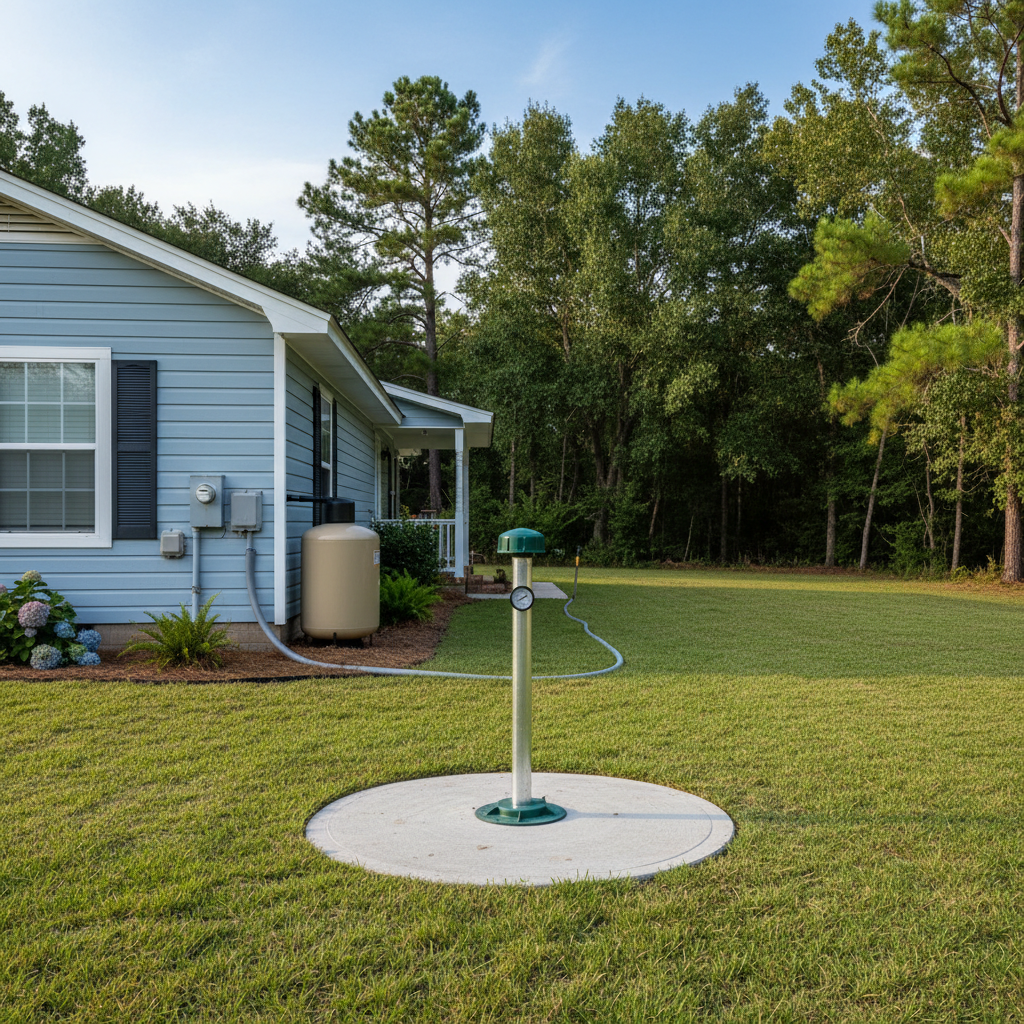
Your well quits, or it starts acting weird, and the first thing that pops into your head is probably, "How much is this going to cost me?" Totally fair question, and honestly, a lot of folks here in Gulfport get hit with unexpected bills because they just don't know what makes well repair prices go up or down. I've been doing this for ages, and I've seriously seen everything, from super quick fixes to complete overhauls. Let's dig into what you'll likely pay.
What Makes Well Repair Costs Jump Around?
A few big things really swing the price tag when you're fixing a well. It's never just one factor, and knowing these can really help you avoid any nasty surprises.
The Actual Problem: This one's a no-brainer, right? A broken pipe near the surface is way cheaper to fix than a pump that's stuck 200 feet down inside the well casing. Swapping out a simple pressure switch might be a couple hundred bucks, but a whole new pump? That's a completely different ballgame.
How Deep Your Well Is: Deeper wells mean more work to pull stuff out or put new parts in. We're talking more pipe, more wire, more labor, and sometimes, specialized equipment. If your well is, say, 300 feet deep out in the Saucier area, getting to that pump is a much bigger job than for a shallower well closer to the coast.
The Kind of Pump You Have: Submersible pumps are pretty common, but they're buried in the well itself. Jet pumps sit above ground. Generally, replacing a jet pump means less labor than yanking a submersible pump from way down deep. The pump's cost itself also varies wildly, from a few hundred for a basic jet pump to well over a grand for a heavy-duty submersible.
Can We Get To It Easily?: Is your wellhead simple to access? Or is it buried under landscaping, or tucked into a tight spot that needs extra digging or careful maneuvering? If we have to spend an hour just clearing brush or digging down to the well cap, well, that's definitely going to add to the labor cost.
Emergency vs. Planned: If your well dies on a Saturday night and you need water *right now*, chances are you'll pay an emergency or after-hours fee. Planning ahead for maintenance or a known issue can save you that extra premium.
Parts & Materials: Quality really does matter here. A cheap pressure tank might save you a few bucks upfront, but it won't last as long as a good one. We always recommend using quality parts because, believe me, it saves you money in the long run by cutting down on repeat repairs.
Typical Well Repair Costs in Gulfport
I can give you some real-world numbers based on what we usually see around here. Just remember, these are averages, and your specific situation could be different.
Minor Electrical Stuff (pressure switch, relay, capacitor): You're generally looking at $250 - $600. This often covers the service call, figuring out the problem, and replacing a small part.
Pressure Tank Replacement: For the tank itself and getting it installed, expect to pay anywhere from $600 to $1,200. The tank's size and quality play a big role in that price.
Jet Pump Replacement (above ground): This can run you $800 to $1,800, depending on the pump's horsepower and any extra plumbing work needed.
Submersible Pump Replacement (in-well): This is where costs can really climb. For a standard home well, you're usually looking at $1,500 to $3,500. That includes pulling the old pump, putting in the new one, new pipe, wire, and any necessary fittings. If your well is super deep, or if we hit complications like a broken pipe that needs fishing out, it could go higher, maybe even up to $4,500 or more.
Well Casing Repair: If the casing is damaged, especially further down, it can be a tricky and expensive fix. We're talking sometimes $2,000 to $5,000+, depending on how bad it is and how deep.
Well Cleaning/Flushing: If your well is just spitting out sand or sediment, a good cleaning can sometimes solve the issue. This might be $500 to $1,000.
Keep in mind, these figures usually include the service call fee, labor, and parts for a pretty straightforward repair. If it's a truly tough job, or needs special equipment like a crane for a super deep, heavy pump, that'll definitely add to the total.
What Should a Good Quote Include?
When you call someone like Midway Well Drilling, or any reputable company, for a repair, you should get a clear breakdown. Don't just accept a single number, okay?
Service Call/Diagnostic Fee: This covers the time it takes for us to get to your place and figure out what's actually wrong. It's usually a flat fee, and sometimes they'll waive it or apply it to the repair cost if you go ahead with the work.
Parts Cost: A separate line item for all the specific parts needed (pump, pressure tank, switch, pipe, wire, you get the idea).
Labor Cost: How much time they think the repair will take, usually broken down by an hourly rate or a flat rate for certain tasks.
Equipment Rental (if it applies): For really big jobs, specialized equipment might be necessary, and that cost should be crystal clear.
Warranty Info: What kind of warranty do you get on both the parts and the labor? A good company always stands behind its work.
How to Avoid Overpaying for Well Repairs
Nobody wants to get ripped off, especially when you're already stressed about not having water.
Get a Few Quotes: For anything more than just a simple pressure switch, try to get at least two or three quotes. This helps you compare prices and really understand what's included. But don't just pick the cheapest; make sure they're reputable, too.
Ask for a Detailed Breakdown: Like I just said, don't settle for some vague estimate. The more detail, the better, honestly.
Understand the Problem: Ask the technician to explain what's wrong and why it needs fixing. A good pro will take the time to teach you a bit.
Check References & Reviews: Look up the company online. What do other folks in Gulfport have to say about them? Are they licensed and insured?
Regular Maintenance: This is huge, absolutely huge. A little preventative maintenance, like checking your pressure tank or having your well inspected every few years, can catch small problems before they balloon into massive, expensive failures. Think of it like changing the oil in your car — it costs a little now to save a lot later.
Well repairs are never fun, but being informed can really make the whole process a lot smoother and keep more money in your pocket. If you've got questions about your well, please, don't hesitate to give us a call.