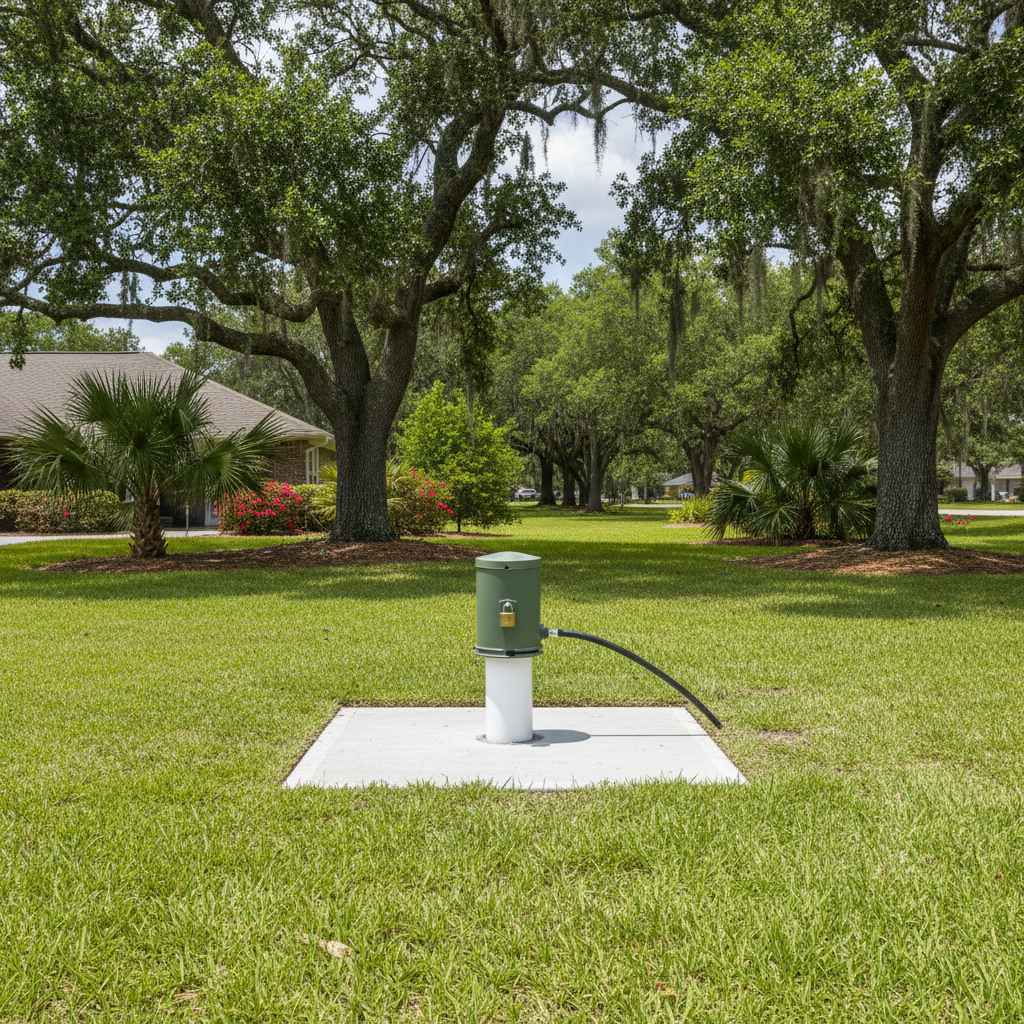
Alright, let's talk about your well. Specifically, let's talk about what not to do when it comes to keeping it running right, or when you're looking to get some work done on it. I've seen a lot of things over the years working on wells here in Gulfport, and some mistakes just keep popping up. They usually end up costing folks more money, more time, and a whole lot of frustration. You don't want that, do you?
Ignoring the Small Stuff (Until It's a Big Problem)
This is probably the biggest one. You've got a well, it's providing water, life's good. Then maybe the pressure drops a little, or you hear a funny hum from the pump house, or the water tastes a bit off for a day. What do most people do? They cross their fingers and hope it goes away. Bad idea. Really bad idea.
A small leak in a pipe, a slightly failing pressure switch, or a minor sediment buildup can escalate fast. What could've been a quick, inexpensive fix often turns into a full pump replacement or extensive well cleaning because you waited until the whole system seized up. Think of it like your car: you wouldn't ignore a check engine light for months, right? Your well is the heart of your home's water supply. Pay attention to its signals.
Going for the Cheapest Bid, No Questions Asked
I get it, everyone wants to save a buck. But when it comes to your well, the cheapest option upfront can often be the most expensive in the long run. I've seen folks hire someone who gives them a ridiculously low quote, only to find out later that the 'fix' was a band-aid, or worse, done incorrectly. Then they call us at Midway Well Drilling to come clean up the mess, and it costs them double what it would've been to do it right the first time.
You need to ask questions. Is the contractor licensed and insured for well work in Mississippi? Do they provide a detailed estimate? What's their experience with your specific type of well system? Are they using quality parts, or the cheapest thing they can find? If someone's quote is significantly lower than everyone else's, there's usually a reason, and it's rarely a good one for you.
Not Understanding Your Own Well System
You don't need to be a well expert, but you should at least know the basics of your own system. Where's your wellhead? Do you have a pressure tank, and if so, where is it? Do you know when your well was last serviced? What kind of pump do you have? Knowing these things helps you communicate better with a technician and can even help you spot problems yourself.
For example, if you're in an older neighborhood, say around Pass Road, and your well was drilled decades ago, it might have different characteristics or common issues than a newer well out in a developing area. Knowing your well's age and type can help you anticipate maintenance needs. A little knowledge goes a long way in preventing you from being taken advantage of, and it helps us diagnose issues faster.
Assuming All Water Problems Are Well Problems
Sometimes, what seems like a well issue is actually something else entirely. Low water pressure could be a clogged filter in your house, or even a problem with your water heater. Discolored water might be rust from old galvanized pipes inside your home, not necessarily sediment from the well itself. Don't jump to conclusions.
Before you call out a well technician, do a quick check of your internal plumbing. Is the problem isolated to one faucet or all of them? Have you checked your water softener or whole-house filter? A good well contractor will ask you these questions anyway, but it helps if you've already thought about them. It can save you a service call if the problem isn't actually with the well.
Neglecting Regular Professional Check-ups
This ties back to ignoring the small stuff, but it's worth its own point. Your well system works hard, day in and day out, especially with our hot, humid Gulfport weather and the sandy soil conditions that can sometimes affect water quality. It's not a set-it-and-forget-it deal.
A professional inspection every few years can catch potential problems before they become emergencies. We can check pump performance, water quality, pressure tank function, and overall system integrity. It's preventative maintenance, pure and simple. It's like getting a physical for your well. It costs a little upfront, but it can save you thousands down the line and ensure you always have clean, reliable water.
So, take care of your well. Ask questions, don't just go for the cheapest option, and understand what you've got buried in your yard. It'll save you a lot of headaches and keep your water flowing smoothly for years to come.