You're probably wondering, when's the best time to get a well drilled or do some big work on your existing one here in Gulfport? It's not just about when you've got the time, you know; our weather plays a huge part in how smoothly things go and how much it might cost you in the long run. I've been doing this for a while, and I've seen firsthand how a little planning around our local climate can save you a whole lot of headaches.
When's the Best Time to Drill a New Well?
Honestly, the absolute best time to drill a new well around here is usually in the late fall or winter. Think November through February. Why then? Well, a few reasons. First off, the ground's typically drier. We get plenty of rain, sure, but those summer downpours and tropical systems can really saturate the soil. Trying to move heavy drilling equipment across a waterlogged yard? That's a nightmare. It makes a mess, can damage your property, and frankly, it just slows us down. Drier ground means easier access, less chance of getting stuck, and a cleaner job site for you.
Another thing is the heat. Drilling is hard work, no doubt about it. Doing it in 90-degree heat with 90% humidity is tough on my crew and our equipment. Cooler weather just makes everything more efficient. Plus, you're usually not in a rush to get your irrigation system going or fill a new pool during those months, so there's less pressure on the timeline.
Spring can be okay too, but you're rolling the dice a bit more with those sudden, heavy thunderstorms that pop up. Summer? I'd avoid it if you can help it. The combination of heat, humidity, and the constant threat of tropical weather systems just makes it too unpredictable and often more expensive due to potential delays.
How Our Weather Affects Well Work
Beyond new drilling, even maintenance or repair work can be impacted by the weather. Heavy rains, especially the kind we get from a slow-moving front or a tropical depression, can cause temporary changes in the water table. This usually isn't a huge deal for an existing, properly cased well, but if we're doing pump work or anything that exposes the wellhead, a sudden downpour can introduce contaminants or just make the job impossible to do safely and effectively.
High winds from a strong storm can also be an issue. We're often working with tall rigs and heavy pipes. Safety is always my top priority, so if the wind's whipping, we're not going to be putting anyone at risk. This means delays, and nobody wants that. That's why planning for those calmer, drier months just makes good sense.
Protecting Your Well Investment Year-Round
Once your well is in, or if you've had one for years, how do you keep it running smoothly through all our coastal weather throws at it? It's all about common sense and a little proactive care.
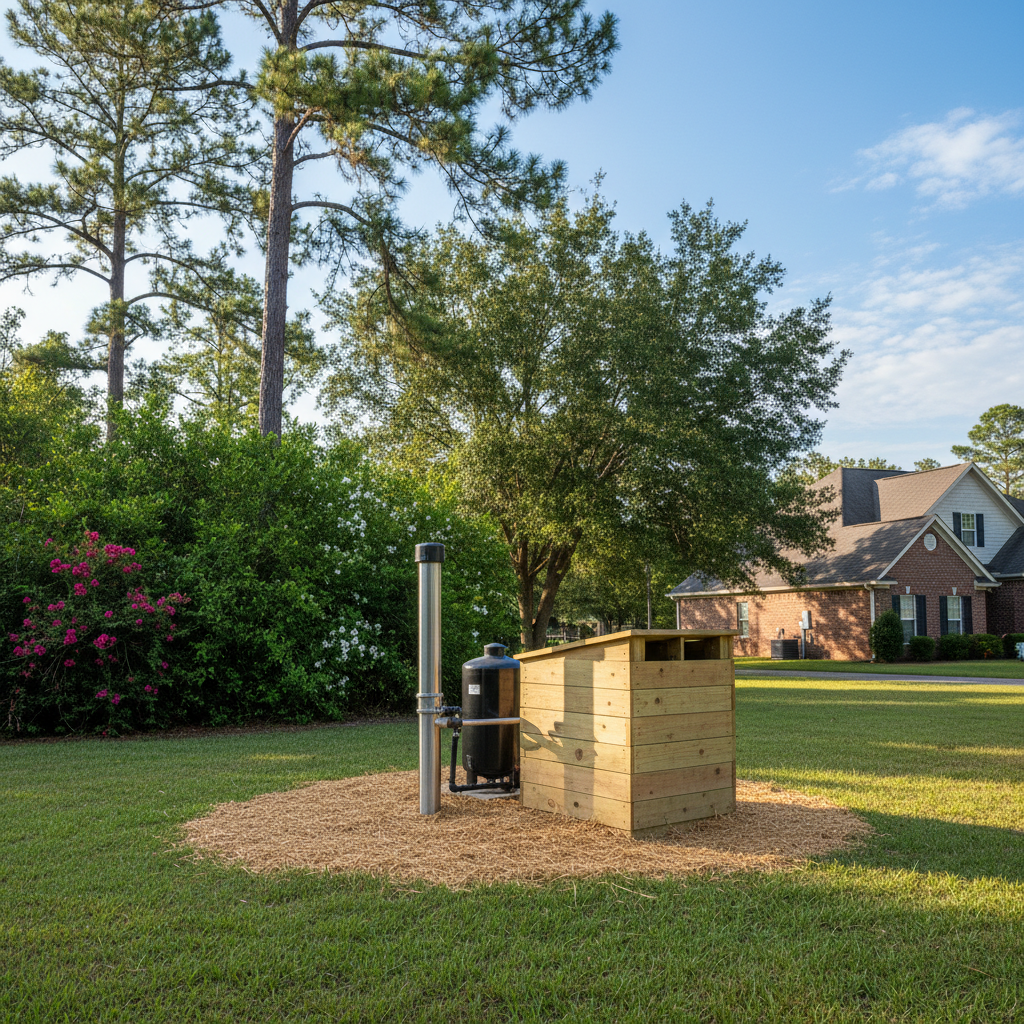
- Keep it Clear: Make sure the area around your wellhead is always clear of debris, overgrown plants, and anything that could fall on it or block access. After a storm, check for downed branches or anything that might have shifted.
- Watch for Erosion: Our sandy soils, especially closer to the coast or in areas like St. Martin, can be prone to erosion during heavy rains. Make sure water is draining away from your wellhead, not pooling around it. You don't want water seeping into places it shouldn't, right?
- Regular Checks: Do a quick visual check of your wellhead every few months. Look for cracks, loose connections, or anything that just doesn't look right. If you see something, give us a call at Midway Well Drilling. It's usually cheaper to fix a small problem before it becomes a big one.
- Generator Prep: We all know power outages happen here. If you rely on your well for water, make sure your generator is in good working order and you know how to connect it safely to your well pump. You definitely don't want to be without water after a hurricane.
- Annual Maintenance: This really is the big one. Just like your car, your well needs regular check-ups. We can spot potential issues, check your pump's efficiency, and make sure everything's sealed up tight against the elements.
Look, your well is a big investment in your home and your water supply. Taking a little time to understand how our Gulfport climate affects it, from drilling to daily use, can save you a lot of grief and money down the road. If you've got questions about timing a project or just want to talk about your well, give us a shout. We're always here to help.