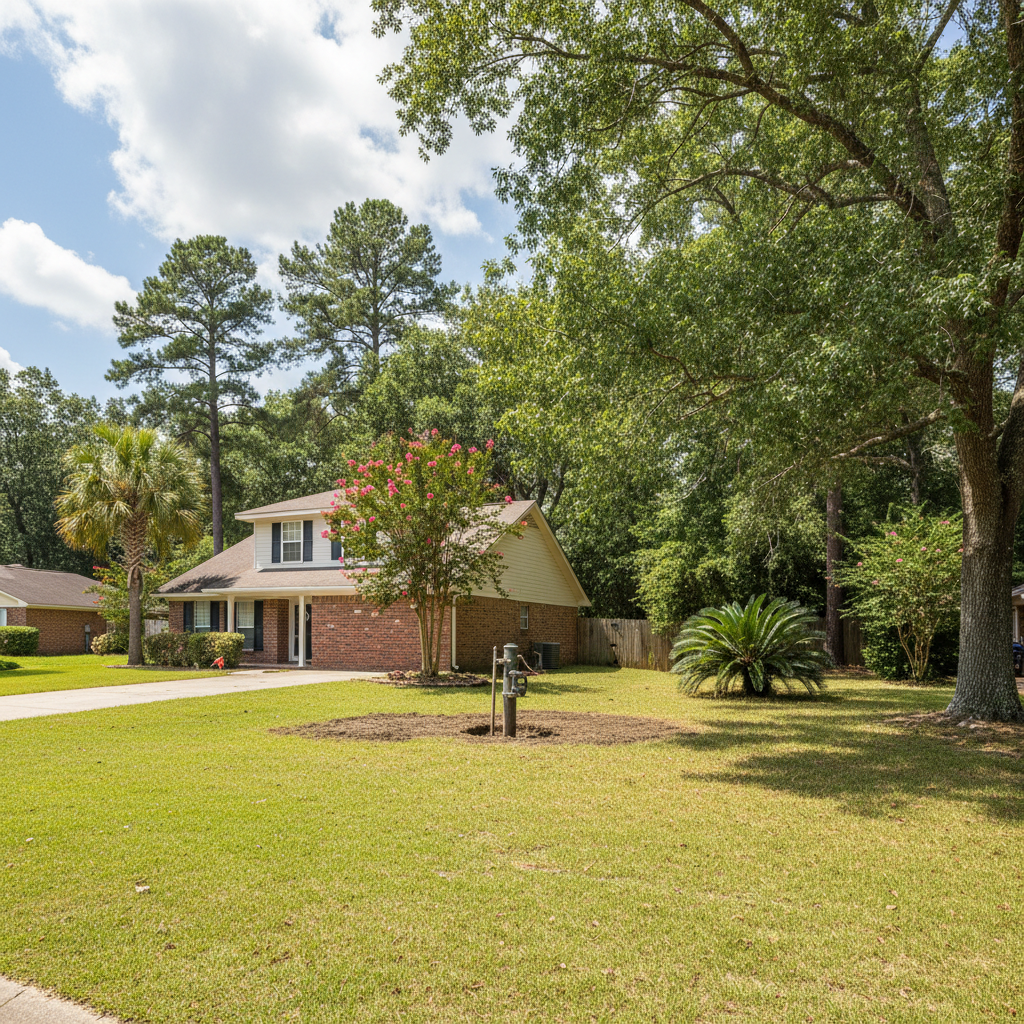
So, you've got a water well. That's a smart move for getting reliable water, no doubt about it. But living here in Gulfport, you already know our environment can be pretty tough on, well, just about everything. Your well is no exception. It's not just about getting water; it's about making sure that water keeps flowing clean and strong for years to come, especially with all our coastal humidity and that sandy-clay soil we've got.
Why Gulfport Wells Need a Little Extra Love
Look, I've worked on wells all over this area for a long time – from those older homes down by the harbor to the newer places popping up out towards Woolmarket – and I've seen just about everything. Our climate, with those hot, humid summers and the occasional torrential downpour, really puts a lot of stress on well systems. All that constant moisture? It can corrode metal parts if nobody's keeping an eye on them. Then there's the soil. We've got a mix, sure, but a lot of it is that sandy-clay blend that tends to shift, especially after a big storm or a long, wet spell. That shifting soil can press on well casings or even throw your pump's alignment off over time.
Another common issue I run into is the effect of our hard water. Our groundwater has minerals in it. It's perfectly safe to drink, but those minerals can build up. They'll clog screens, mess with pump impellers, and generally make your whole system less efficient. If you're not paying attention, you'll start noticing your water pressure drop or your pump kicking on way more often than it should. That means higher electric bills, and more wear and tear on your equipment, too.
Simple Checks You Can Do Yourself
You don't need to be a well expert to do a few basic checks. Just looking around a little bit can save you a ton of headaches and money later on. Here's what I usually tell folks:
- Listen to your pump: Does it sound different than usual? Is it turning on and off too often? A pump that's constantly running or making strange noises could signal a leak, a failing pressure tank, or a problem with the pump itself.
- Check your pressure tank: Give it a tap. If it sounds like it's full of water all the way to the top, you might have a waterlogged tank. That means your pump is working overtime, and nobody wants that.
- Look for leaks: Take a walk around your well head. See any standing water? Any damp spots that shouldn't be there? Even small leaks waste water and can lead to much bigger problems.
- Test your water quality: You can grab some simple kits at the store, or we can do a professional test for you. It's always smart to know what's in your water, especially if you notice any changes in how it tastes, smells, or looks.
These aren't complicated things, really, but they're super important. Catching an issue early is always, always better than waiting for a complete breakdown, wouldn't you agree?
When to Call in the Pros (Like Us at Midway Well Drilling)
While those DIY checks are great, some things just need a professional's touch. Think of it like your car – you can check the oil, but you're probably not rebuilding the engine in your driveway. For your well, that means:
- Annual inspections: We'll check everything, from the well cap right down to how your pump's performing. We look for those subtle signs of wear or potential issues. We'll inspect the wiring, the pressure switch, and make sure your well casing is secure and sealed tight.
- Water testing and treatment: If your water quality changes, or if you're worried about specific contaminants common to our area, we can do comprehensive testing. Then we'll recommend the right filtration or treatment systems. Sometimes, a simple shock chlorination is all it takes to clear up bacterial issues.
- Pump maintenance: Pumps, they're the heart of your system. We can check their efficiency, look for signs of cavitation, and make sure they're drawing water correctly. If your pump needs to be pulled for service, that's definitely a job for experienced hands and specialized equipment.
- Well rehabilitation: Over time, screens can get clogged up with mineral deposits or sediment. We can use well rehabilitation techniques like surging and air development to clear those blockages and get your well's flow rate back up. It's a lot cheaper than drilling a brand new well, believe me!
We've got the specialized tools and the local know-how to diagnose and fix problems efficiently. We understand the geology here, we know the common issues, and we know how to get your water flowing again without cutting any corners. Don't wait until you're out of water on a scorching July day to start thinking about your well's health. A little bit of proactive care goes a long way in protecting your investment and making sure you have clean, reliable water for your Gulfport home.