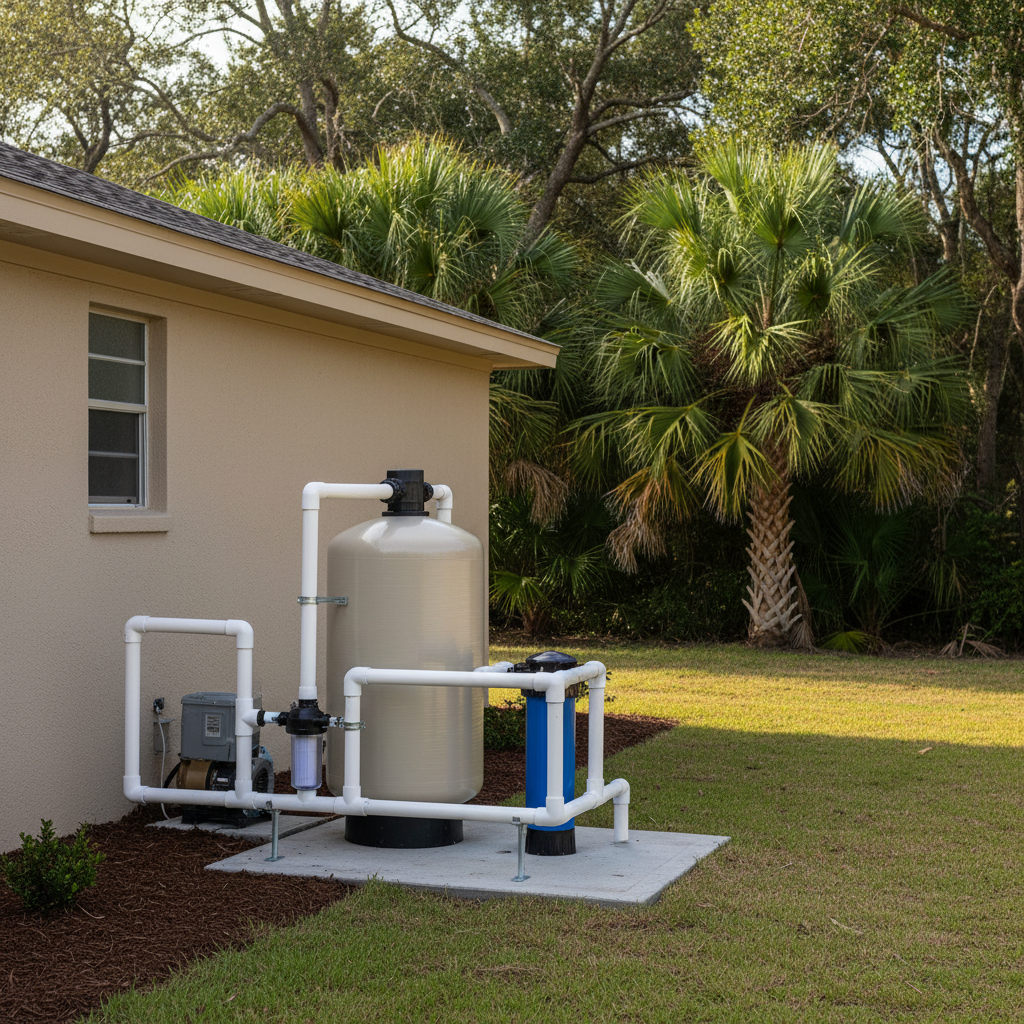
You're probably wondering what it's going to cost to get your water treated right here in Gulfport. It's a fair question, and frankly, it's not always a simple answer because there are a lot of moving parts. But I'm going to lay it out for you, straight up, so you know what to expect and how to avoid getting fleeced.
What Makes Water Treatment Prices Go Up or Down?
First off, let's talk about what actually affects the price. It's not just one thing; it's a combination of factors, and some of these you might not even think about.
- Your Water Quality (or lack thereof): This is probably the biggest one. Before anyone can give you a real quote, they need to know what's in your water. Is it just a little hard water from the limestone we have around here, or are we talking about iron, sulfur, manganese, chlorine, or even bacteria? A basic sediment filter and softener combo is a lot cheaper than a whole-house system designed to tackle multiple serious contaminants. We're talking hundreds versus thousands.
- Type of System: Are you looking for a point-of-use filter for your kitchen sink, or a whole-house system? Reverse osmosis (RO) systems for drinking water are usually in the $300-$800 range for the unit itself, not including installation. A whole-house water softener might run you $1,500-$3,500. If you need something more complex, like an iron filter or a chemical injection system for sulfur, those can easily be $2,500-$5,000 or more, depending on the size and complexity. UV sterilizers for bacteria might add another $800-$1,500.
- Installation Complexity: Is it an easy hook-up in your garage or utility closet, or do we need to run new lines, cut into existing plumbing, or deal with tricky access? Sometimes, if your existing plumbing isn't up to snuff, there might be extra work involved, and that adds to the labor costs.
- System Capacity: A larger home with more bathrooms and higher water usage needs a bigger system, and bigger systems cost more. Simple as that.
- Brand and Features: Just like anything else, some brands are premium, and some are more budget-friendly. Features like automatic backwashing, smart controls, or specialized media can also bump up the price.
Typical Cost Ranges You Can Expect in Gulfport
Alright, let's get down to some numbers. Keep in mind, these are averages, and your specific situation could be different.
- Basic Sediment Filter/Carbon Filter (Point-of-Entry): If you just want to remove sediment and chlorine for your whole house, you might be looking at $500-$1,200 installed. This is a good entry point for city water users who just want better taste and smell.
- Water Softener (Whole-House): For most homes in Gulfport dealing with hard water, a good quality softener will typically cost between $2,000 and $3,500 fully installed. This includes the unit, installation, and any basic plumbing modifications.
- Iron/Sulfur Removal System: If you're on well water, especially out towards the rural parts of Harrison County where iron and sulfur are common, these systems are more complex. You're generally looking at $3,000 to $6,000, depending on the severity of the problem and the type of system (e.g., air injection, chemical feed).
- Reverse Osmosis (RO) Drinking Water System: For under-sink RO, you're usually in the $500-$1,000 range installed. This gives you really clean, great-tasting drinking water.
- Comprehensive Multi-Stage System: If you've got a cocktail of issues – hard water, iron, sulfur, and maybe some sediment – a custom multi-stage system could easily run you $5,000 to $8,000 or even more. This is for a full setup addressing several problems.
These numbers usually include the equipment, all necessary parts, and the labor for a standard installation. What they don't always include are things like extensive plumbing upgrades if your house needs them, or ongoing maintenance costs like salt for a softener or filter replacements.
What Should Be in Your Quote?
When you get a quote from Midway Well Drilling or anyone else, make sure it's detailed. It should clearly list:
- The specific type and model of the water treatment system(s).
- All components included (tanks, valves, media, filters, etc.).
- Labor costs for installation.
- Any necessary plumbing modifications or materials.
- Warranty information for both parts and labor.
- A breakdown of what's not included, if anything.
- A timeline for installation.
Don't just accept a lump sum. You need to know what you're paying for.
How to Avoid Overpaying for Water Treatment
Nobody wants to get ripped off, especially when it comes to something as important as your water. Here's how you can protect your wallet:
- Get a Professional Water Test: Don't let anyone sell you a system without testing your water first. A good company will do this for free or for a minimal fee. This tells you exactly what contaminants you're dealing with, so you only pay for what you need.
- Get Multiple Quotes: This is just good business sense. Get at least three quotes from reputable local companies. Compare not just the price, but also the proposed system, warranties, and the professionalism of the sales process.
- Understand the System: Ask questions! Make sure you understand why a particular system is being recommended and how it works. A good contractor will take the time to explain it to you.
- Check References and Reviews: Look up the companies online. See what other folks in Gulfport are saying about their work.
- Beware of High-Pressure Sales Tactics: If someone tries to push you into signing on the spot with a