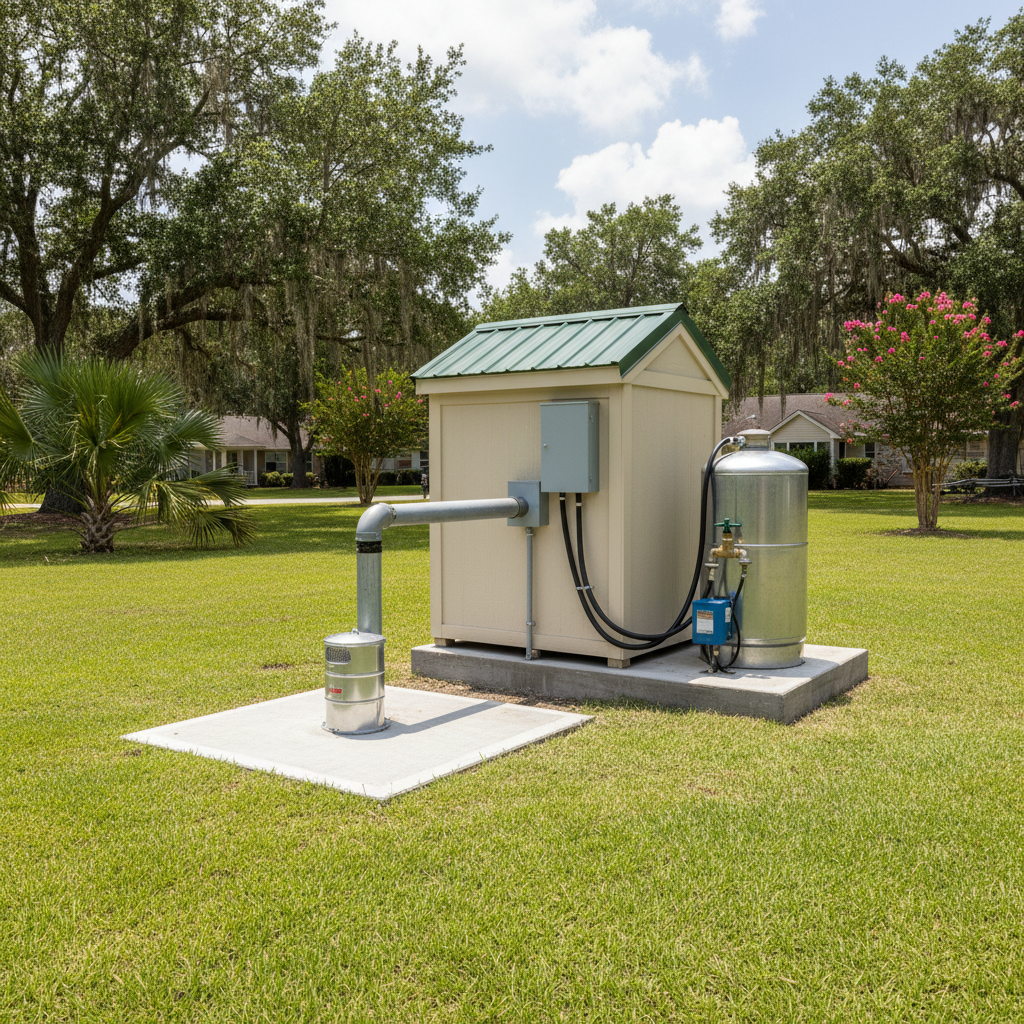
Alright, let's talk about well pumps. You'd think it's a pretty straightforward thing, right? Get a pump, put it in, get water. But I've seen enough folks around Gulfport make some real head-scratching blunders when they're planning or hiring for a pump installation that it's worth laying out what not to do. You want water that works, and you definitely don't want to regret your choices down the line.
Ignoring Your Water Needs (And Future Needs)
This is a big one, probably the biggest. People often just replace what they had, or they grab the cheapest option without really thinking about what they actually need. Are you just watering a small garden? Or are you trying to irrigate an acre of turf, fill a pool, and run a whole-house filtration system? Those are completely different demands, and they need completely different pumps. A pump that's too small will run constantly, wear out fast, and still won't give you enough pressure. One that's too big? Well, you're just wasting electricity and potentially stressing your plumbing. Think about your current usage, sure, but also consider what you might add in the next 5-10 years. Planning on adding an irrigation system? A new bathroom? Tell your driller! We can help size it right the first time.
Skimping on Quality for a Few Bucks
I get it, everyone wants a deal. But a well pump isn't a place to cut corners. I've seen folks go with the cheapest pump they can find online or from some discount store, only to have it fail in a year or two. Then they're paying for another pump, another installation, and dealing with no water in between — what a headache. Good quality pumps, like Franklin Electric or Grundfos, cost more upfront, but they're built to last. They're more efficient, more reliable, and they come with better warranties. You're buying consistent water flow and a bit of peace of mind, not just a piece of equipment. It's an investment in your home's infrastructure, plain and simple.
Not Asking About the Well Itself
You're installing a pump in a well, right? So it makes sense to know a little about that well. Is it old? What's its depth? What's the water level like? Here in Gulfport, especially closer to the coast or in areas with older homes like those around the Bayou View neighborhood, you might have an older, shallower well, or one that's seen some wear and tear. A pump installer should always check the well's condition, its depth, and the static water level before recommending a pump. If they don't even ask about the well, that's a red flag, don't you think? A good driller, like us at Midway Well Drilling, will want to understand the whole system, not just the pump.
Ignoring the Electrical Side of Things
A pump needs power, and it's not always as simple as plugging it into an outlet. Submersible pumps, especially, need specific voltage and amperage. I've seen homeowners assume their existing electrical panel can handle a new, more powerful pump, only to find out they need an expensive electrical upgrade after the pump's already on site. Or worse, they try to hook it up to an undersized circuit, which is a fire hazard and can burn out your pump motor. Always discuss the electrical requirements with your installer and, if needed, get a qualified electrician to assess your home's setup beforehand. Don't leave it to chance.
Hiring Just Anyone with a Truck
This one's a classic. Someone's cousin's friend says they can install a pump for cheap. Or you find a guy on a classified site. Look, I'm all for supporting local folks, but pump installation is specialized work. It involves plumbing, electrical, and a deep understanding of hydraulics and well systems. An improperly installed pump can lead to leaks, electrical shorts, pump failure, or even damage to your well casing. Ask for references. Check their licensing and insurance. Make sure they know the local codes and conditions. You wouldn't let just anyone work on your car's engine, so don't let just anyone mess with your water supply.
Forgetting About Future Maintenance Access
Where's that pump going? Is it in a tight crawl space? Buried under a new patio? I've seen some installations where getting to the pump for future service or replacement is an absolute nightmare. A good installer thinks about access. They'll make sure the well head is accessible, that control boxes are in a convenient, protected location, and that everything is laid out logically. You don't want to have to tear up your landscaping or cut into your foundation just to fix a pressure switch. Plan for the inevitable – things break, and you'll want easy access when they do.
So, there you have it. Don't make these mistakes. Do your homework, ask the right questions, and work with someone who knows what they're doing. It'll save you a whole lot of trouble and money in the long run.