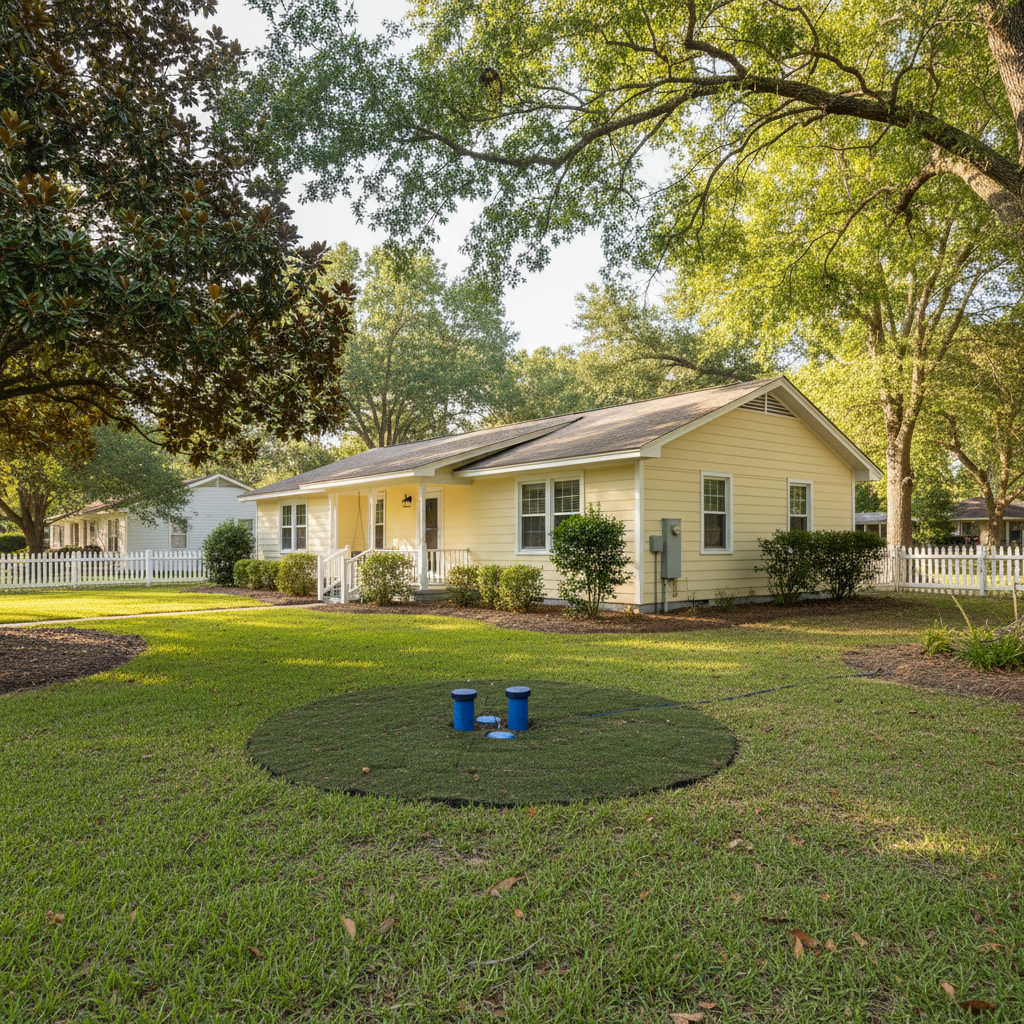
So, you're looking into geothermal for your place here in Gulfport. Smart move. It's a fantastic way to cut down on those crazy power bills, especially with our long, hot summers. But let's be real, the first thing everyone wants to know is, "How much is this going to cost me?" It's not a simple answer, but I can give you a pretty good idea of what affects the price and what you should expect.
What Drives Geothermal Drilling Costs?
A few big things really push the numbers up or down when it comes to geothermal drilling. It's not just about how deep we go.
- System Type: Are you going for a closed-loop or open-loop system? Most folks around here opt for closed-loop because it's less maintenance long-term and doesn't rely on a constant water supply. Open-loop systems can be cheaper to drill initially if you've got a good aquifer, but they have other considerations. For closed-loop, you're looking at vertical or horizontal. Vertical is more common in residential areas where space is tight, like some of the older neighborhoods near the beach, but it means deeper drilling. Horizontal loops need more land, but the drilling isn't as deep.
- Ground Conditions: This is a huge one, especially in our area. We've got a mix of sand, clay, and sometimes even some shell or soft rock layers. If we hit a lot of hard clay or dense sand that's tough to get through, it slows us down and wears out our bits faster. That costs more. If it's mostly loose sand, we can usually move quicker.
- Depth and Number of Bores: This is pretty straightforward. The deeper we have to go, and the more holes we have to drill, the more it's going to cost. A typical residential system might need anywhere from two to five bores, each going down 150 to 300 feet, sometimes more. Commercial jobs? We're talking many more bores and often deeper.
- Loop Material: The type of pipe we put in the ground matters. High-density polyethylene (HDPE) is standard and durable, but there are different grades and sizes.
- Permitting and Site Prep: Don't forget about getting the necessary permits from the city or county. We handle that, but it's part of the overall cost. Also, if your yard needs a lot of clearing or grading before we can even get our rig in, that's an extra expense.
Typical Cost Ranges in Gulfport, MS
Alright, let's talk numbers. For a residential closed-loop vertical geothermal system in Gulfport, you're usually looking at a total project cost (including drilling, loops, manifold, and the indoor heat pump unit) somewhere in the range of $20,000 to $45,000 for a typical 2,000-3,000 sq ft home. The drilling portion alone, which is what Midway Well Drilling specializes in, can be anywhere from $8,000 to $20,000+, depending on those factors I just mentioned.
For the drilling part specifically, you can often expect to pay between $8 and $15 per foot drilled for a vertical closed-loop system. This includes the drilling itself, installing the loop, and grouting the bore. If we hit really challenging ground, it might push towards the higher end of that range, or even a little above it for particularly tough spots.
Remember, there are often federal tax credits and sometimes local incentives that can significantly reduce your out-of-pocket costs, so make sure you look into those!
What Should Be Included in Your Quote?
When you get a quote for geothermal drilling, make sure it's detailed. A good quote from a reputable driller like us should clearly outline:
- The number of bores and their proposed depth.
- The drilling method to be used.
- The type and size of loop material (e.g., 3/4" or 1" HDPE pipe).
- The grouting material that will be used to seal the boreholes. This is critical for system efficiency and groundwater protection.
- Any associated trenching for the manifold lines.
- Site cleanup expectations.
- Permit fees (or at least clarify who is responsible for them).
- A breakdown of labor and material costs for the drilling phase.
What it usually won't include is the indoor geothermal heat pump unit itself, the ductwork modifications, or the electrical work to hook up the unit. That's typically handled by a separate HVAC contractor who specializes in geothermal installations.
How to Avoid Overpaying
Nobody wants to get ripped off, especially on a big investment like this. Here's how you can protect yourself:
- Get Multiple Quotes: Don't just go with the first guy. Get at least two or three detailed quotes. This helps you compare apples to apples and understand the market rate for the work.
- Check References and Reviews: Ask for references. Look up online reviews. A good driller will have a track record.
- Understand the Scope: Make sure you know exactly what each quote includes and, just as importantly, what it doesn't include. Ask questions until you're clear.
- Ask About Experience: Geothermal drilling isn't the same as just drilling a water well. It requires specific expertise. Ask how many geothermal projects they've done and if they're familiar with the geology here in Gulfport. We've been doing this for years, so we know what to expect when we stick a bit in the ground around these parts.
- Don't Be Afraid to Negotiate: Sometimes there's a little wiggle room, especially if you have competing bids.
Geothermal is a smart long-term investment for your property. Doing your homework on the drilling costs upfront will save you headaches and money down the road. If you're ready to talk specifics for your place, give us a call at Midway Well Drilling. We're happy to walk you through it.