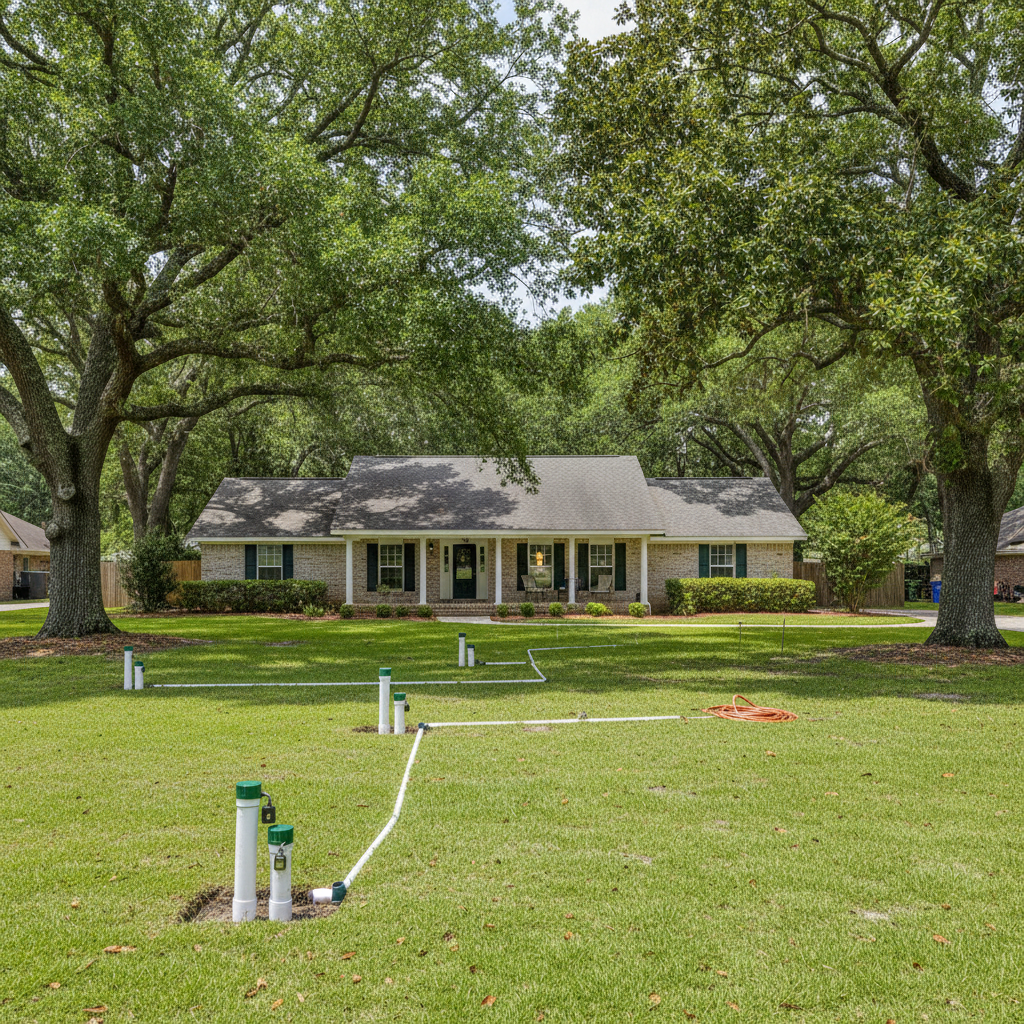
So, you’re looking at an environmental drilling project on your property here in Gulfport. Maybe it’s for soil sampling, groundwater monitoring, or even a geothermal system. Whatever the reason, it’s not something most folks do every day, so you’ve probably got a lot of questions. That’s good! Asking questions is how you get things done right. I’ve been doing this kind of work for a long time with Midway Well Drilling, and I’ve seen it all. Let’s break down what you need to know to make your project go smoothly.
Understanding Your Project Timeline
First off, let’s talk about how long this whole thing takes. It’s not an overnight job, that’s for sure. The timeline for an environmental drilling project can vary a lot depending on what you’re trying to achieve, the size of your property, and what we find once we start digging. Generally, you’re looking at a few key phases:
- Initial Consultation & Site Assessment: This is where we come out, look at your property, talk about what you need, and figure out the best approach. This can take a few days to a week, just to get everyone on the same page and get a proposal put together.
- Permitting: This is often the longest part and it’s mostly out of our hands. Depending on the scope, you might need permits from the city, county, or even state environmental agencies. Here in Gulfport, with our sandy soils and proximity to the coast, there can be specific considerations. This phase can easily stretch from a couple of weeks to a couple of months, sometimes longer if there are complications or specific environmental reviews needed. Don't underestimate this step.
- Scheduling & Mobilization: Once permits are in hand, we schedule the work. This depends on our current workload and crew availability. Usually, it’s a week or two out.
- On-Site Drilling & Sampling: This is the actual work. For most residential environmental projects, the drilling itself might only take a day or two, maybe a few days for more complex installations like multiple monitoring wells or deeper borings.
- Post-Drilling & Reporting: After the drilling, there’s usually lab analysis of samples, data interpretation, and report generation. This can take several weeks, depending on the lab's turnaround time and the complexity of the analysis.
So, from start to finish, you’re probably looking at a minimum of 6-8 weeks, and it can easily stretch to 3-4 months, especially if permitting takes its sweet time.
What to Expect During the Process
When we’re actually on your property, here’s what you can expect:
- Noise: Drilling equipment is loud. There’s no getting around it. We’ll do our best to minimize disruption, but be prepared for some noise while we’re working.
- Equipment: We’ll have a drill rig, support vehicles, and other tools on site. This means we’ll need clear access to the drilling location. Make sure the path is clear and wide enough for our equipment.
- Mess: Drilling involves moving dirt, mud, and sometimes water. We always try to keep things as tidy as possible, but there will be some disturbance to your yard. We’ll clean up thoroughly when we’re done, but it’s not going to look like we were never there the moment we leave.
- Safety: Your safety and our crew’s safety are paramount. We’ll establish a safe work zone around the drill rig. Please keep kids and pets away from the active work area.
- Communication: We’ll keep you informed every step of the way. If we hit something unexpected, or if there’s a change in plans, we’ll talk to you about it immediately.
How to Prepare Your Property
Getting your property ready before we arrive can save a lot of time and prevent headaches:
- Clear the Area: Remove any obstacles like garden furniture, planters, or decorative items from the drilling path and the immediate work zone. If you have any sensitive landscaping nearby, let us know so we can discuss protection options.
- Mark Utilities: This is HUGE. Before we even think about drilling, you need to call 811 (Mississippi 811) to have all underground utilities marked. This is a free service and it’s legally required. But also, if you know about private lines – like irrigation systems, invisible dog fences, or septic lines – you need to mark those yourself. We can’t see them, and 811 doesn’t mark them. Hitting a water line or a power cable is a bad day for everyone.
- Access: Ensure there’s a clear, unobstructed path for our heavy equipment to reach the drilling location. Trim back any low-hanging branches or overgrown bushes that might impede access.
- Inform Neighbors: It’s a good idea to give your immediate neighbors a heads-up that there will be some noise and activity for a few days. It helps keep everyone happy.
Questions to Ask Before Signing a Contract
Before you commit to anything, make sure you’ve got all your questions answered. Don’t be shy!
- What permits are needed, and who is responsible for obtaining them? We can help guide you, but sometimes homeowners prefer to handle permits themselves. Just make sure it’s clear.
- What’s included in the price? Get a detailed breakdown. Does it include mobilization, drilling, sampling, lab analysis, reporting, and site restoration? Are there any potential extra costs?
- What are your insurance and licensing credentials? Make sure they’re current and cover the type of work being done.
- How will you protect my property during the drilling process? Ask about measures to minimize damage to landscaping, driveways, or other structures.
- What’s your plan for site cleanup and restoration? Will they re-seed grass, remove excess soil, etc.?
- What’s the estimated timeline for each phase of the project? Get a realistic expectation.
- What happens if you encounter unexpected conditions, like rock or contaminated soil? How will that affect the timeline and cost?
- Can you provide references from other local homeowners? Always a good idea to hear from folks who've worked with them before.
Choosing the right contractor for environmental drilling is a big decision. You want someone who knows the local conditions – like how our clay lenses and artesian pressures can affect drilling here in coastal Mississippi – and who communicates clearly. Take your time, ask tough questions, and make sure you feel comfortable with the plan. That’s how you get a good job done.