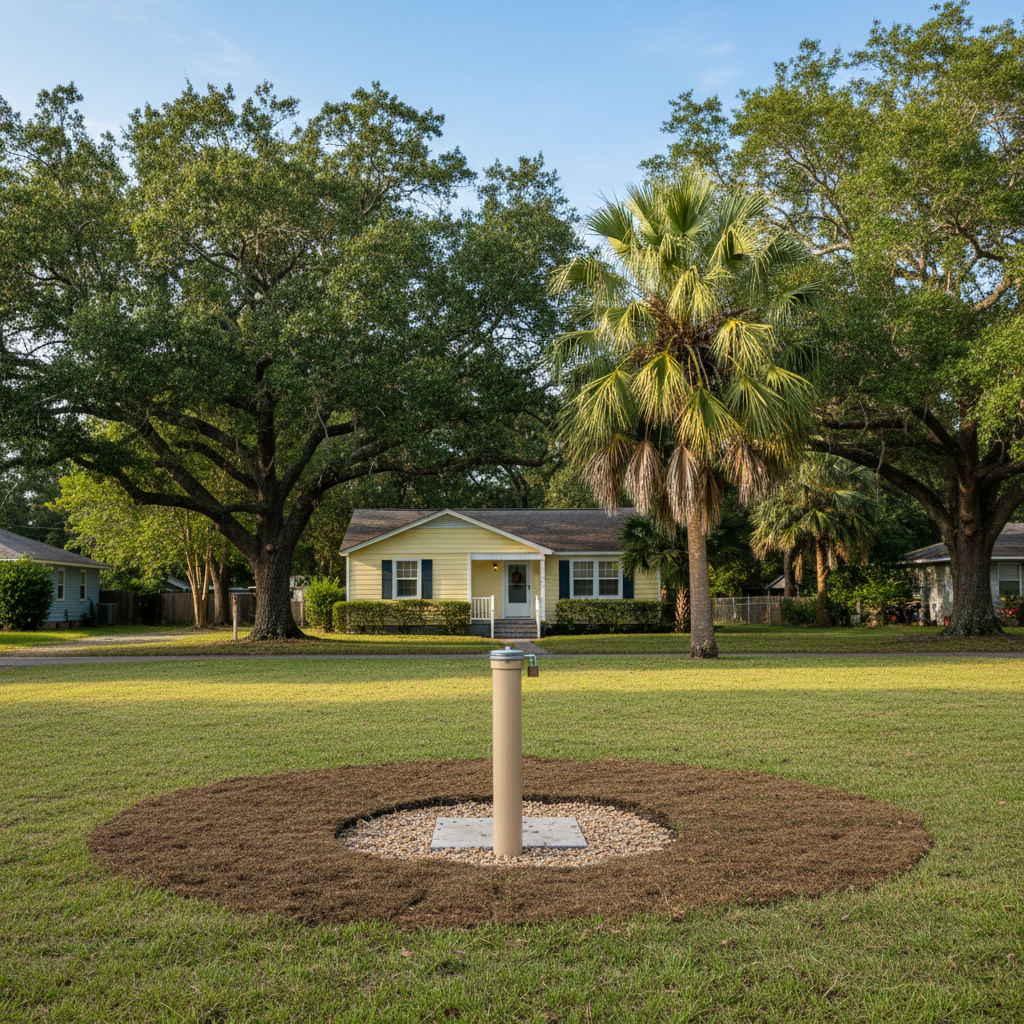
Alright, let's talk about environmental drilling. It's definitely not your everyday water well job, and because of that, people often get a bit surprised by the price tag. If you're dealing with a contaminated site, need soil samples, or are putting in monitoring wells around Gulfport, you're looking at environmental drilling. And yeah, it costs more than just digging a residential water well. There's a lot more involved, everything from specialized equipment to really strict regulatory compliance.
What Makes Environmental Drilling So Expensive?
A few big things really drive up the price on environmental drilling projects. Knowing about these helps you understand the quotes you get, don't you think?
Depth and Diameter: This one's pretty obvious, right? Deeper wells mean more time, more drill pipe, and more wear and tear on our equipment. A 4-inch monitoring well is quicker and cheaper than an 8-inch recovery well going down 100 feet, for instance. For a typical monitoring well, say 2-inch diameter, you're probably looking at $30-$60 per foot just for the drilling part, but that's really just the beginning.
Geology: This is a huge factor, especially around here. We've got plenty of sandy, silty soil near the coast, which is usually pretty easy. But hit hard clay or even some limestone layers further north or deeper down, and suddenly that drill rig works a lot harder. Hard rock drilling can easily double or triple your per-foot cost compared to soft soils. If we're drilling through something tough, it slows everything down, wears out bits faster, and uses more fuel. That's why a site near Bayou View might be easier than one out past Woolmarket.
Contaminant Type and Safety Rules: This is where things get really specialized. If you're drilling in an area with known hazardous materials – maybe an old gas station site with petroleum hydrocarbons, or a former industrial spot with heavy metals – the safety requirements shoot through the roof. We're talking about Level B or C PPE (Personal Protective Equipment), air monitoring, specialized waste disposal for drill cuttings and water, and decontamination procedures for all the equipment. This isn't just a few extra bucks; it's often thousands of dollars added to the project for personnel, equipment, and getting rid of the waste.
Equipment and Techniques: Environmental drilling often calls for specific methods. Air rotary, mud rotary, hollow stem auger – each has its place. Sometimes you need direct push technology (DPT) for shallow soil sampling. Every method has different setup times, operational costs, and specialized tools. If you need continuous soil sampling or specific core recovery, that's another layer of complexity and cost.
Site Access and Logistics: Can we get a big rig in there easily? Or do we need smaller, track-mounted equipment that's harder to move and set up? Is it a busy commercial area where we need traffic control? These things add time and money. If we have to bring a big rig from out of state because local options are tied up, that's going to hit your wallet too.
Typical Cost Ranges You Might See
Look, I can't give you an exact number without seeing the site and knowing the scope, but I can give you some realistic ranges for common environmental drilling jobs right here in Gulfport.
Standard Monitoring Well Installation (2-inch, 30-50 feet deep): For a single well in relatively easy soil, you're probably looking at $2,500 to $5,000 per well. This includes drilling, well materials (screen, casing, filter pack, bentonite seal, concrete pad), and development. If you need multiple wells on the same site, the per-well cost can come down a bit because we're already there.
Soil Borings for Sampling (up to 20 feet deep): For simple soil borings using direct push or auger, you might pay $500 to $1,500 per boring, depending on depth and the number of samples. This usually covers mobilization, drilling, and collecting the samples, but not the lab analysis.
Complex Contaminated Site Drilling (deeper wells, hazardous materials): This is where it gets really expensive. A single monitoring or recovery well on a hazmat site can easily run $10,000 to $30,000 or even more, especially if Level B PPE, extensive waste disposal, and specialized drilling fluids are required. These projects often involve multiple phases and can quickly add up.
Remember, these are just ballpark figures. Every site is unique, truly.
What Should Your Quote Include?
When you get a quote from Midway Well Drilling or anyone else, make sure it's detailed. A good quote should break down the costs so you know exactly what you're paying for.
Mobilization/Demobilization: The cost to get the rig and crew to your site and back again.
Drilling Footage Rate: The price per foot for drilling, often changing based on diameter and what kind of geology we expect.
Well Materials: Casing, screen, filter pack, bentonite, wellhead protection, concrete pad.
Development: The cost to properly develop the well after installation to make sure you get good water flow and representative samples.
Waste Management: This is huge for environmental jobs. It covers drum rental, labeling, transportation, and disposal fees for drill cuttings, purge water, and decon water. Make sure they specify if this is included or just an estimate.
Personnel: Hourly rates for drillers and assistants, especially if it's a multi-day job.
Safety & Compliance: Costs for PPE, air monitoring, and any site-specific safety plans.
Ancillary Equipment: Things like water trucks, generators, or specialized pumps if they're needed.
Reporting: Sometimes a basic well log is included; more detailed reports might cost extra.
How to Avoid Overpaying
Nobody wants to get fleeced, right? Here’s how you can keep your costs in check for environmental drilling.
Be Clear on Your Objectives: Before you even call for a quote, know exactly what you need. Are you putting in monitoring wells? Just doing soil borings? How deep? What are you looking for? The more information you provide upfront, the more accurate the quote will be. Don't guess, really.
Get Multiple Bids: This is standard practice for any big job. Get at least three detailed quotes. Don't just go with the cheapest; compare what's included. A super low bid might be missing critical elements that'll come back to bite you later.
Understand the Geology: If you have any existing geological reports or boring logs for your site or nearby, share them. This helps us anticipate drilling conditions and give you a more precise estimate, reducing the chance of costly surprises.
Consolidate Work: If you need multiple wells or borings, try to do them all at once. Mobilization is a significant cost, so doing everything in one trip saves you money compared to bringing the rig out multiple times.
Ask About Waste Disposal: This is often a hidden cost. Confirm if waste disposal is estimated or a firm price, and what type of disposal is planned. Hazardous waste disposal is expensive, so understanding this upfront is crucial.
Consider Time of Year: While not as big a factor as geology, sometimes scheduling during off-peak times might give you a bit more flexibility, though environmental projects are often time-sensitive due to regulatory deadlines.
Environmental drilling is complex, and it's not a job for just any driller. You need someone with the right equipment, experience, and understanding of the regulations. Do your homework, ask the right questions, and you'll get a fair deal for the work that needs to be done.