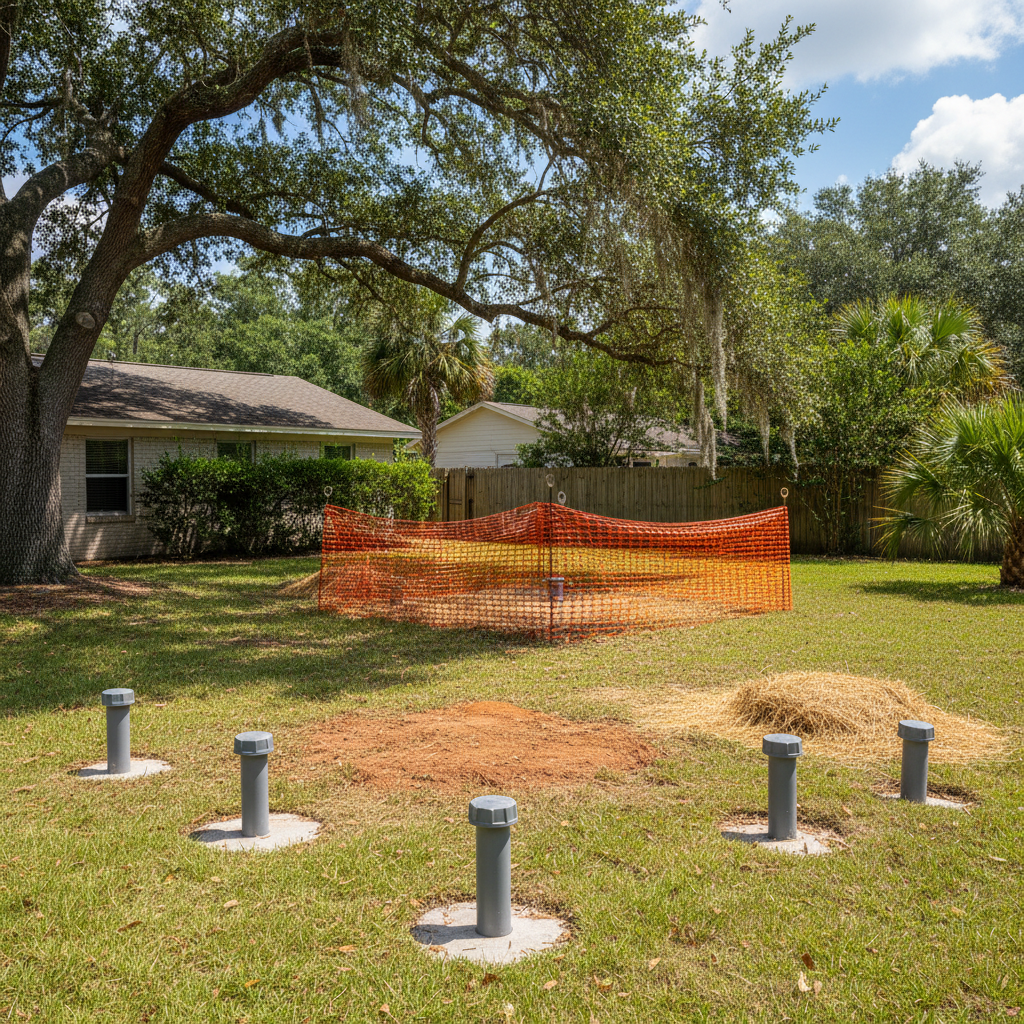
Alright, let's talk about money. Specifically, what environmental drilling is going to run you here in Gulfport. I get a lot of calls from folks who need this kind of work done – maybe you're developing a new property, or there's some old contamination that needs checking out, or the state's telling you to get a handle on something. Whatever the reason, you're probably wondering what the bill's going to look like. And honestly, it's not always a simple answer, but I can give you some real numbers and tell you what drives those costs.
What Makes Environmental Drilling So Pricey?
You might look at a quote and think, "Man, that's a lot for just drilling some holes." But it's not just drilling. Environmental drilling is a specialized field. We're not just digging a well for your home; we're often dealing with potential hazards, precise data collection, and strict regulations. Here's what really bumps up the cost:
- Depth and Geology: This is a big one. The deeper we have to go, the more time, fuel, and specialized equipment it takes. And if we hit some of that tough, consolidated clay or even limestone that's common around areas like Pass Christian or even some parts of Gulfport, it slows us down considerably. That adds to the hourly rate.
- Contaminant Type: Are we looking for petroleum products, heavy metals, or something else? Different contaminants require different sampling techniques and safety protocols. If we're dealing with volatile organic compounds (VOCs), for example, we need specialized equipment to prevent cross-contamination and ensure worker safety.
- Drilling Method: There are a few ways to get a hole in the ground. Auger drilling is usually the cheapest for shallower, softer soils. Direct push (Geoprobe) is great for quick, shallow samples. But if you need to go deep, or through tough layers, or install monitoring wells, you're probably looking at hollow stem auger or mud rotary, which are more complex and expensive per foot.
- Site Access and Conditions: Can we get a big rig in there easily? Or do we need smaller, track-mounted equipment because it's a tight spot or soft ground? Is there overhead power lines or underground utilities we have to worry about? Every complication adds time and therefore, cost.
- Regulatory Requirements: The state (MDEQ) or federal agencies (EPA) often dictate exactly how many wells, how deep, what kind of samples, and how often. These aren't suggestions; they're mandates, and they directly impact the scope of work.
Typical Cost Ranges You Can Expect
Alright, let's get to some actual numbers. Keep in mind, these are averages for our area, and every job is unique. But this should give you a ballpark idea.
- Test Borings/Soil Samples (shallow, 10-30 feet): For simple soil borings using direct push or small auger rigs, you might be looking at $150-$350 per boring, plus the driller's day rate. This could be for a few borings to check for basic soil conditions.
- Monitoring Well Installation (2-inch diameter, 20-50 feet deep): This is where it starts to climb. Installing a single monitoring well, including drilling, well materials, and development, can run anywhere from $1,500 to $4,000 per well. If you need multiple wells, the per-well cost might come down a bit due to mobilization efficiencies.
- Deeper Wells (50-100+ feet): For deeper environmental wells, especially if we're hitting hard layers or need larger diameter wells, you could be looking at $50-$100+ per foot, not including well materials or mobilization. A single 100-foot well could easily hit $5,000-$10,000+ once everything is factored in.
- Mobilization: Don't forget this. Just getting the rig and crew to your site has a cost. For local jobs around Gulfport, Biloxi, or Ocean Springs, expect $500-$1,500, depending on the rig size and distance. If we're hauling specialized equipment from further away, it'll be more.
- Daily Rates: Most drilling companies, including Midway Well Drilling, will have a daily or half-daily rate for the rig and crew. This can range from $1,500 to $3,500+ per day, depending on the rig and crew size.
Remember, these numbers don't include the environmental consultant's fees for planning, sampling, lab analysis, or report writing. We're just talking about the drilling part here.
What Should Be in Your Quote?
When you get a quote, make sure it's detailed. A good quote should clearly outline:
- Mobilization/Demobilization: The cost to get the rig to and from your site.
- Drilling Method and Footage Rate: How they plan to drill and the cost per foot for that method.
- Well Materials: Specifics on the well casing, screen, filter pack, bentonite, and grout.
- Well Development: The process of cleaning out the well after installation.
- Waste Management: How drill cuttings and decontamination water will be handled. This is a big one for environmental jobs.
- Decontamination: Costs for cleaning equipment between borings or wells.
- Standby Time: What happens if we're waiting on the consultant or for something else on site.
- Personnel: Number of crew members and their rates.
How to Avoid Overpaying
Here's my advice to keep your costs down and avoid surprises:
- Get a Good Environmental Consultant: This is step one. They'll define the scope of work clearly, which helps us give you an accurate bid. A vague scope means we have to pad the estimate for unknowns.
- Provide Detailed Site Information: Tell us everything you know about the site. Previous uses, known utilities, soil reports, anything. The more we know upfront, the better we can plan and price.
- Consolidate Work: If you need multiple wells or borings, try to do them all at once. Mobilizing a rig is a big chunk of the cost, so doing more work in one trip is almost always cheaper per unit.
- Understand the Scope: Don't just sign off. Ask questions. Make sure you understand what you're paying for and why. If something seems off, speak up.
- Get Multiple Bids (But Don't Just Go for Cheapest): Get a few quotes, sure. But don't just pick the lowest number. Make sure you're comparing apples to apples. A really low bid might mean they're cutting corners or haven't accounted for everything. A good driller, like us at Midway Well Drilling, will give you a fair price for quality, compliant work.
Environmental drilling isn't cheap, but it's essential for protecting our land and water. By understanding what drives the costs and being prepared, you can make sure you're getting a fair deal for the work that needs to be done.