Homeowners sometimes spend money on a home improvement project only to watch it fail a year later. When you are setting up a water system down here on the coast, mistakes get expensive fast. Down around the sandy loam and high water tables of Gulfport, getting a pump installation wrong means dealing with sputtering pressure, burnt-out motors, or sand clogging your entire house plumbing.
These are the mistakes homeowners make most often when they are planning or hiring out a pump job, and how you can avoid a major problem.
Skimping on the Initial Site Evaluation
Some people treat a pump replacement like swapping out a lightbulb. They look at the old unit, buy the exact same model off the shelf, and hope for the best. Groundwater conditions change drastically as you move from the beachside areas back toward the inland clay pockets. If a contractor does not test your well current yield, static water level, and drawdown before recommending hardware, the work is done without proper information.
- Ignoring local water chemistry and mineral content
- Failing to measure current well capacity
- Guessing depth instead of verifying
Midway Well Drilling always checks what the aquifer is actually doing right now before touching a single pipe.
Botching the Pump Sizing
Bigger is not automatically better, but people still buy an oversized pump thinking it will give them high pressure. All that does is short-cycle the equipment, overheat the motor, and burn through your electrical components ahead of schedule. On the flip side, an undersized unit will leave you without water when someone is running the washing machine while the lawn sprinklers are going.
You need to calculate exact household demand and match it to your well recovery rate. Take the time to do the math upfront or work with someone who actually runs the numbers.
Falling for Cheap Material Shortcuts
Trying to save money by using flimsy PVC pipe or a subpar check valve will cost you more down the road. High humidity and heavy daily cycling take a toll on cheap components. When a coupling snaps two hundred feet down, you are not just buying a new piece of pipe. You are paying for emergency labor to fish the whole mess out of the hole.
Insist on heavy-duty drop pipes, solid stainless steel fittings, and wellheads sealed tightly against surface runoff and local critters. A clean seal keeps the Gulfport stormwater and local contaminants out of your drinking water.
Ignoring Electrical Realities
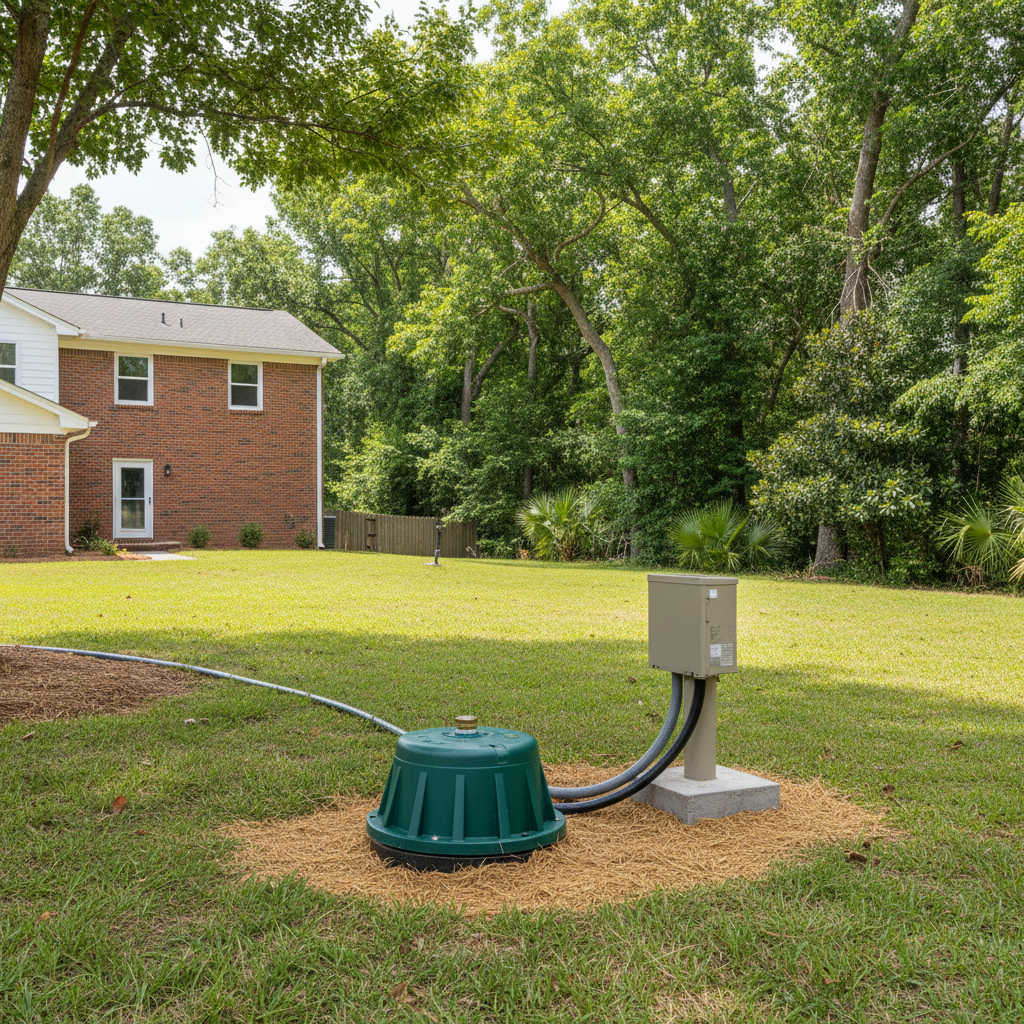
Water and electricity are a dangerous mix, yet people routinely cut corners on the wiring. Skipping proper grounding, using the wrong wire gauge for long runs, or leaving control boxes exposed to moisture invites endless service calls. Throw in our sudden coastal thunderstorms and power surges, and an unprotected setup is very likely to fry its own control board.
Always verify your installer is factoring in dedicated surge protection and adhering strictly to local electrical codes. Taking these precautions from day one keeps your water flowing smoothly no matter what the weather brings to Gulfport.